Box Packaging: Gift Box Design for Pet Carrier Lines
A gift box for a pet carrier is a rigid or semi-rigid paperboard container - typically 1.5-2.5 mm greyboard wrapped in printed art paper - designed so the product arrives protected and revealed rather than simply packed. Meaningful gift presentation starts at about USD 1.40 per unit and reaches USD 4.50 at MOQ 500, and it earns its keep above roughly USD 85 retail where the box itself becomes part of the perceived product.
A box changes what a customer believes they bought. The same carrier presented flat in a poly bag reads as a good product; presented in a rigid box with a fitted insert, a tissue wrap and a folded card, it reads as a gift - and gifts are judged by different, far more generous rules. That shift supports a price band step, improves conversion for gifting seasons, and produces the photographs that circulate on social platforms long after the purchase. Getting there starts with structure - dimensions, then white dummy, then finished surface.
- Sampling: white-dummy structural sample plus printed pre-production box in 6-10 working days.
- Minimums: MOQ 500 boxes per size; finish combinations can be shared across two colourways of the same structure.
- Schedule: box production takes 12-18 days and must be booked against the carrier's 35-50 days bulk run.
- Quality: board caliper, wrap registration and closure force are inspected to AQL 2.5 against the approved sample.
- Terms: T/T 30/70, FOB Xiamen, boxes shipped flat-packed or nested to control inbound freight cube.
A personalized pet carrier programme needs the artwork file and the variable data list locked before sampling, otherwise the first shipment slips a full cycle.
When a gift box pays for itself
The decision to use a box is an arithmetic one disguised as an aesthetic one. Take a carrier retailing at USD 79 with a 2.8x markup: landed cost including packaging sits around USD 28, so a USD 1.80 rigid box consumes about 6 percent of cost of goods. If that box lifts the realistic retail price to USD 99 without losing conversion - which is typical for gift-oriented ranges - it returns roughly USD 20 of margin against a USD 1.80 spend. Below about USD 55 retail the same maths rarely works, because the price step available is smaller than the box cost.
Three situations reliably justify a box even at lower price points. The first is a gifting calendar: anything sold heavily in November and December, or for housewarmings and new-pet occasions, competes unboxing-to-unboxing with everything else on the table. The second is a launch or collaboration, where the first thousand units carry disproportionate brand-building value and the imagery they generate outlives the drop itself. The third is a premium sub-line within an otherwise modest range, where one boxed SKU raises perceived quality across the whole shelf.
It is equally worth naming when not to use one. Regular-size ranges shipped through e-commerce fulfilment frequently suffer from a box: the outer shipper already exists, so the gift box becomes an inner layer most customers discard immediately, and the extra cube inflates dimensional-weight charges on every single order. In that channel, spend the money on print and finish quality at lower bulk and ship in the plain outer.
Finally, think about who opens it. A gift box is opened by the recipient in front of the giver, and that social moment is the single most valuable thirty seconds in the product's life. Everything about the specification - how the lid lifts, what is visible first, how long finding the product takes - should be designed for it rather than for the warehouse.
Choosing the structure
Structure selection is constrained by three facts: the product's packed dimensions, the freight mode, and how much assembly labour is available at packing time. Everything else is preference. A rigid two-piece box - base plus separate lid - is the classic gift form, delivers the strongest reveal, and ships assembled, which means it consumes freight volume whether it contains anything or not.
A magnetic-closure fold-flap box gives a similar luxury impression while shipping flat and closing with a satisfying snap. It requires hidden magnets and an extra lamination step, adding about USD 0.35 per unit, but it removes the storage cube problem almost entirely. A drawer-and-sleeve construction is the strongest option for heavy products because the inner tray slides rather than lifts, so nothing has to be gripped by its corners.
| Structure | Board | Ships | Reveal quality | Cost index |
|---|---|---|---|---|
| Rigid two-piece lid and base | 2.0 mm greyboard | Assembled | High | 1.0x |
| Magnetic fold-flap | 1.5 mm greyboard | Flat | High | 1.25x |
| Drawer and sleeve | 1.5-2.0 mm greyboard | Assembled | Very high | 1.35x |
| Book-style with ribbon | 1.5 mm greyboard | Flat | High | 1.2x |
| Folding carton with window | 400 gsm board | Flat | Medium | 0.45x |
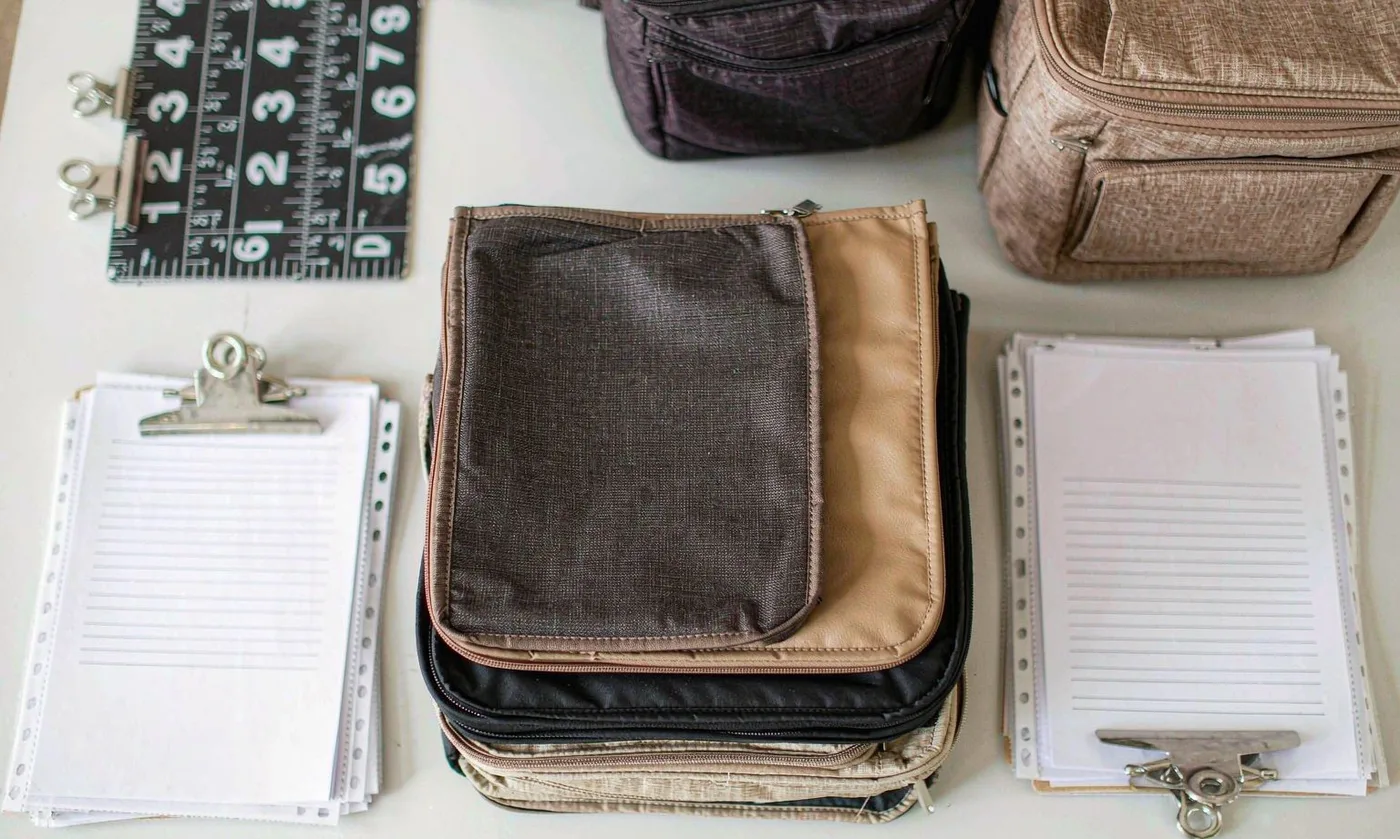
Size tolerance is the difference between a satisfying fit and a frustrating one. Allow 3-5 mm clearance on each internal dimension for a carrier that compresses slightly, and 6-8 mm if the product has to be lifted out by a strap. Too tight and the lid bulges, which looks cheap; too loose and the product rattles, which sounds cheap. Insist on a white-dummy structural sample made from unprinted board and pack an actual production unit into it before releasing artwork.
Consider the lid-lift experience specifically. A base with a shoulder - where the base is visible below the lid, typically 15-25 mm - creates a shadow line that reads as considered design and stops the box from looking like a plain cube. Adding a ribbon lift or a finger notch costs very little and solves the practical problem of a tight-fitting lid.
Structures can then be shared. A shoe-box style rigid construction used across three sizes of the same product family keeps one tooling set and one wrap layout, which cuts development cost and keeps the range looking systematic on shelf.
Interiors: the reveal sequence and insert engineering
The interior is where gift packaging earns or loses its margin, and it is almost always the first thing cut when budget tightens. Design it as a sequence with three beats. Beat one, on opening: what the eye lands on should be product, not paper. Beat two, on lifting: the customer should be able to remove the carrier without tipping the box. Beat three, underneath: the documents, accessories or care card that finish the story.
Inserts make all three work. A folded card cradle is the cheapest useful solution - USD 0.25-0.45 - and can be shaped to hold the carrier at a slight angle so it presents immediately. A moulded pulp tray costs about USD 0.60-0.90, looks considered, is recyclable, and suits brands with a sustainability position. EVA foam inserts cost USD 0.90-1.60, protect best, and are the right choice when the product has hardware that could mark itself during transit.
Tissue or paper wraps add theatre at USD 0.05-0.12 but require discipline: a single colour, a single fold, and no confetti, glitter or loose filler. Nothing undercuts a premium unboxing faster than a cloud of shredded paper over a hallway floor, and loose fill is also the most common cause of product damage in transit being missed at unpacking.
Print the interior too. A solid colour flood inside the base, or a short printed line under the product, doubles the perceived finish for about USD 0.08. It is also the most reliably photographed surface once the carrier is lifted out, because it stays in frame for every subsequent shot.
Two practical constraints decide the rest. First, protect against marking: any dyed insert that could transfer colour onto a light shell needs a migration rub check before approval, particularly dark navy and black sulfite boards. Second, keep the documents visible but not buried under the product - a pocket card under the lid is remembered, a folded leaflet under the carrier is not.
Finishes that read as quality rather than decoration
Finish choice should mirror decisions already made elsewhere on the product. If the carrier uses a matte gunmetal badge and matte webbing, a high-gloss box creates a mismatch the customer perceives without being able to articulate. Pick one finish language for the season - quiet matte base with a single reflective accent is the safest and most consistently premium combination - and apply it across every printed surface.
Matte lamination is the working default: it seals the print, resists scuffing, and reads modern. Soft-touch lamination adds a velvet feel for USD 0.10-0.18 and is disproportionately effective on boxes because customers hold them longer than any other packaging component. Gloss lamination suits photographic imagery but fingerprints heavily.
Foil blocking is the most efficient upgrade after lamination, costing USD 0.05-0.12 for a single motif. It is also the one to use sparingly: a single foil logo on a matte field looks expensive; foil on the logo, the border and the type looks like a greeting card. Spot UV over matte lamination achieves a subtler version of the same contrast and survives better in transit, since foil can crack along box edges.
Emboss and deboss deserve consideration for text-only boxes. A blind debossed wordmark on heavy uncoated wrap paper reads as confident restraint, and unlike foil it costs nothing per unit beyond the die - around USD 60-90 one-off. Combining a deboss with a single ink colour is the classic stationery look and it photographs extremely well under diffuse daylight.
Colour discipline holds this together. Box wraps are printed offset, so locking the brand palette to an established standard matters; the conversion pitfalls between screen and press standards are covered in our notes on Pantone and RGB colour matching, and the Pantone colour system remains the practical reference for specifying spot colours on press.
Protection: making a beautiful box survive the journey
A rigid box looks strong and often is not. Greyboard loses roughly 40 percent of its compression strength above 70 percent relative humidity, and wrapped corners are the first thing to abrade in a master carton. Boxed programmes therefore need protection specified explicitly rather than assumed from the board.
Corner reinforcement is the cheapest intervention: either a heavier wrap with good crease memory, or internal paperboard corner posts at USD 0.15 per box. Edge-wise, specify the wrap so the paper grain runs around rather than across the corners; corners wrapped against grain crack noticeably after handling.
The master carton and the box must be designed together. A common failure is a gift box designed in isolation, then packed four or five per carton with insufficient division, so the whole load moves as one block. Use a divider or an inner shipper with a 5 mm gap, and specify the outer carton's burst strength accordingly. For courier-shipped single units, the gift box needs its own corrugate outers with appropriate edge crush ratings - the mechanics are set out in our companion guide to ecommerce mailer boxes.
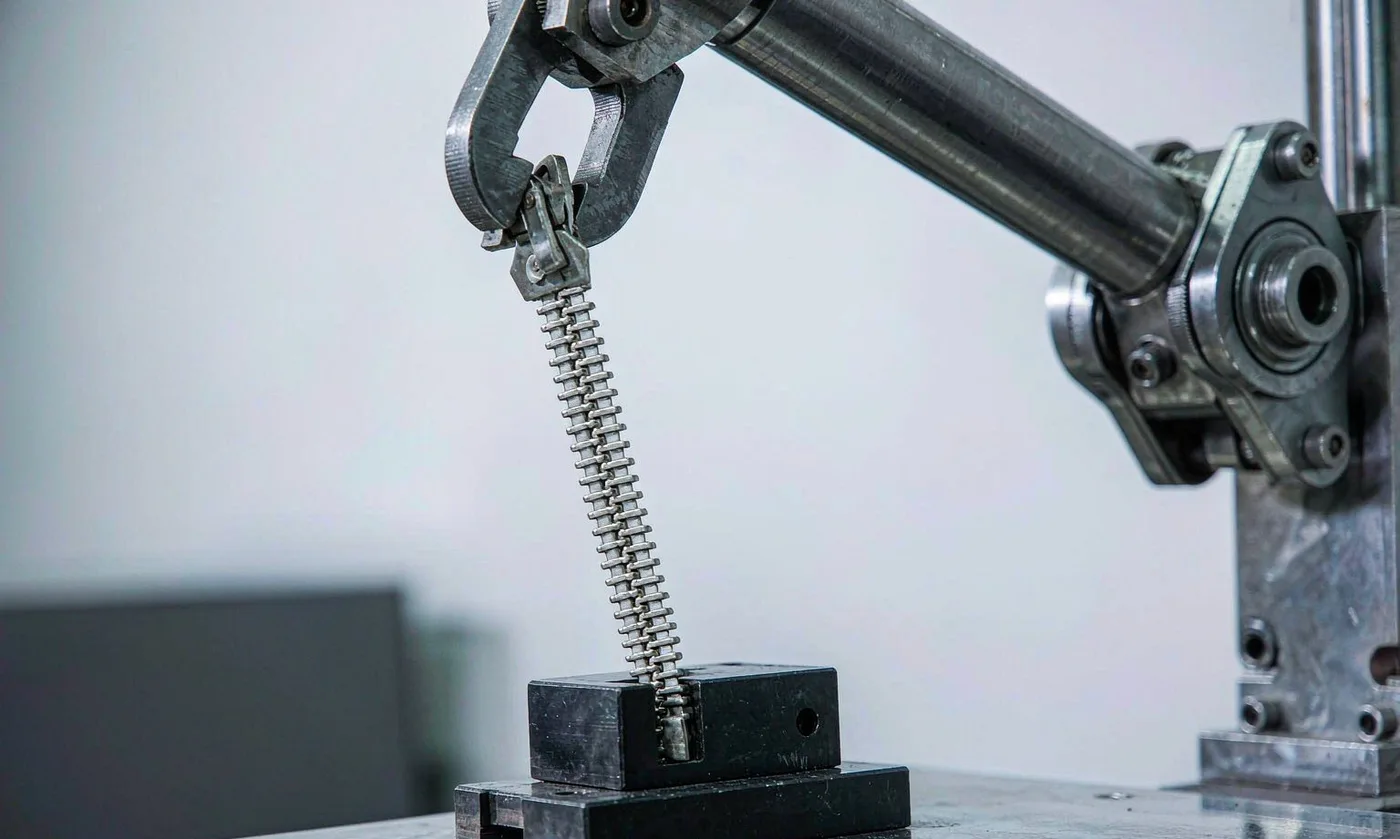
Drop testing should happen before tooling, not after complaints. Standard practice sequences face, edge and corner drops from a height set by parcel weight, and recognised protocols are published through ASTM test methods. Ten units through that sequence will tell you within an afternoon whether the board, insert and carton combination actually works.
Finally, specify how the customer is meant to know the box is undamaged. A simple cross-wrapped paper band or a printed seal that would visibly break if opened makes tampering obvious and protects both parties in a returns conversation - for about USD 0.03.
Cost structure and the margin question
Gift box pricing has two components that behave differently. Unit cost scales gently with quantity because the board and labour dominate; setup cost - cutting die, foil die, plates - is fixed and typically USD 180-420 per box depending on complexity. Below about 1,000 units, setup often exceeds the incremental material cost, which is why small quantities feel expensive and why doubling the first order is usually the best-value move a brand can make.
| Quantity | Rigid two-piece, matte wrap (USD) | + soft-touch and foil (USD) | + fitted insert (USD) |
|---|---|---|---|
| 500 | 2.10 | 2.65 | 3.05 |
| 1,000 | 1.62 | 2.05 | 2.40 |
| 3,000 | 1.34 | 1.70 | 2.00 |
| 10,000 | 1.18 | 1.48 | 1.75 |
The recurring surprise in this table is freight. A rigid box shipped assembled occupies its full external volume whether or not it is full, so import freight is charged for air. On a mid-size carrier box, assembled shipping typically adds USD 0.35-0.90 per unit in freight terms versus a flat-packed alternative - which is precisely why magnetic fold-flap structures have grown so quickly in the sector.
Two tactics soften the whole picture. First, share one structure across several SKUs and vary only the wrap print, so the cutting die is amortised across the range. Second, plan the first order around a realistic twelve-month forecast rather than the minimum: moving from MOQ 500 to 1,500 typically reduces unit cost by 20-25 percent and costs only warehouse space.
There is also a strategic cost argument for boxes on premium ranges. A luxury-tier product line justified by packaging tends to hold its price through discount seasons far better than one justified by features alone, because boxes signal intentional positioning rather than spec-sheet comparison.
Sustainability without losing the unboxing
Gift packaging attracts scrutiny because it is visibly disposable, and the answer is not to abandon presentation - it is to remove the parts that are genuinely indefensible. Laminated board with foil, magnets and foam inserts is hard to defend; uncoated FSC board with a moulded pulp tray is easy to defend and can look just as good with the right print.
Rank removals by damage to the experience. Plastic laminates are the first to go, replaced by aqueous or water-based varnish that protects adequately for most applications. Foam inserts go second, replaced by moulded pulp or folded card cradles, which also remove a disposal step. Ribbons and bows go third for many brands, though a simple paper ribbon is acceptable. Magnets are usually retained because they improve perceived quality substantially and are separable by the customer.
Print the disposal instruction clearly. A short line inside the lid - "Box and insert: kerbside recyclable. Please remove the magnet." - converts good intentions into correct behaviour, and it is the kind of detail environmentally engaged customers quote back in reviews.
Finally, treat the shows and launches as the place to be luxurious and the everyday range as the place to be lean. Programmes that box every shipment at the entry price point carry the cost without the return; programmes that reserve presentation for heroes, drops and gifting windows get the brand benefit at a fraction of the spend.
Documentation closes the loop, exactly as it does for paper tags. Ask for FSC claims with valid chain-of-custody paperwork, confirm substance declarations where required, and keep both on file against a system such as ISO 9001 so an audit is an administrative errand rather than an emergency.
Artwork grids for a wrapped box: six faces, one message
A box is not one canvas. It has six faces seen in sequence and at different angles, which is the closest thing in packaging to designing a small room. Assign each face a job and the result feels composed rather than wallpapered: the lid top carries identity, the lid front carries the product name, the two long sides carry supporting claims, the back carries the practical block with barcode and size, and the base carries legal marks plus a disposal line.
Scale everything up from the offset printer's perspective. Type that reads beautifully at 55 x 90 mm on a hang tag needs to be reconsidered at 320 x 240 mm; conversely, artwork built for a web banner is usually too sparse when enlarged to a lid. A useful exercise is to print every face at 25 percent scale and pin the set in order on a wall, then stand two metres back and decide what actually reads.
Register the artwork to the structure rather than to the sheet. Every wrapped box has a "front" determined by the base seam and the lid's shoulder direction, and artwork that ignores this ends up upside down on one face or split awkwardly across an edge. Ask the converter which panel they treat as the reference, then lay the drawings out accordingly.
Leave deliberate quiet area. On a premium box, forty percent of the lid left empty does more for perceived value than filling it with a second claim, because empty space reads as confidence. Where texture is wanted, use a subtle repeat pattern or a printed paper grain rather than a large image - at this scale a tiled motif reads as a material rather than as advertising.
Finally, check the wrap piece as a flat before signing anything. Rigid boxes are printed flat and folded, so a single piece of wrap artwork usually contains all six faces plus 15-20 mm folding allowances around each panel. If any critical element within that layout sits too near a fold line, the finished box will show it, and the defect will repeat across the whole production run rather than appearing as an isolated bad unit.
Development sequence, tolerances and inspection
Boxes are the slowest collateral item in most programmes, so they should be started first rather than last. The sequence begins with a white dummy - the structure cut in plain board from agreed dimensions - which resolves size and assembly questions for almost no money. Next comes the printed structural sample, then pre-production from production tooling, then bulk. Skipping the white dummy is the single most expensive shortcut available in packaging development, because every subsequent step costs exponentially more to change.
Specify tolerances numerically. Internal dimensions should hold within +/- 1.5 mm, board caliper within +/- 0.2 mm, and wrap registration within 0.5 mm of the die line. Those numbers are achievable with conventional rigid box machinery, and agreeing them up front turns a future argument about quality into a measurement anybody can repeat.
Two further checks are specific to this component. First, closure force: a lid that requires more than about 25 N to remove feels stuck rather than premium, while one that releases below 8 N rattles open in transit. Second, corner integrity: fifteen minutes in a tumble drum or fifty manual handlings will reveal weak wrapping faster than any visual inspection.
Incoming inspection then runs to AQL 2.5 with critical defects defined as crushed corners, board delamination, missing or misplaced foil, and any insert that fails to seat the product. Minor categories cover small print variation, minor surface scuffing and slight colour drift within the agreed delta. Retaining two sealed samples per order is standard and invaluable when a retailer disputes condition months later.
Our production team has handled sewn goods packaging programmes since 2014, with the founding group in the trade since 2004, and the pattern across hundreds of launches is consistent: teams that begin packaging development in the same week as the product design deliver on time, and teams that begin it six weeks before shipment do not.
Production capability
- SGS-verified production space of 4,950 m², 149 machines, 7 assembly lines
- Pet carrier and pet bag output since 2014 from a 137-person team
- 200,000 units shipped monthly under BSCI and ISO 9001 systems
People Also Ask
At what retail price does a gift box make sense?
Generally above USD 85 retail, where the price step the box supports exceeds its cost. Below about USD 55 the maths usually fails unless the line is explicitly gift-led.
Do gift boxes help or hurt e-commerce orders?
Often hurt. Dimensional-weight freight is charged on the outer shipper, so an inner gift box adds cost and cube with little return unless the channel is gift-focused.
Should the box print match the carrier colourway?
Share the palette but do not match the bag exactly. Neutral or dual-tone wraps serve every colourway from one print run and avoid carrying box inventory per SKU.
How do I stop boxes arriving crushed?
Increase board caliper, run the wrap grain around corners, add a divider with a 5 mm gap in the master carton, and drop-test face, edge and corner before tooling is cut.
Is a window worth adding to the box?
Rarely for soft products - a folding carton with a window cheapens the reveal. A full lid lift shows the product better and avoids the glare and dust issues windows bring.
Can the insert double as a display piece?
Yes. A card cradle that folds into a small counter riser earns an extra life at retail for about USD 0.10 more, and retailers appreciate packaging that works twice.
Frequently Asked Questions
What board thickness suits a pet carrier gift box?
1.5-2.5 mm greyboard depending on size. Small boxes hold shape at 1.5 mm; anything above about 350 mm in its longest dimension generally needs 2.0 mm or more to resist bowing when lifted by its base.
How much does a rigid gift box cost?
Roughly USD 2.10 per unit at MOQ 500 falling to about USD 1.18 at 10,000 for a two-piece box with matte wrap. Add USD 0.35-0.55 for soft-touch finish and foil, and USD 0.25-0.45 for a folded card insert.
Should the box ship assembled or flat?
Flat wherever possible. Assembled rigid boxes are charged freight on their full external volume, typically adding USD 0.35-0.90 per unit, which usually exceeds the cost advantage of simpler rigid construction.
What clearance should be left around the product?
3-5 mm per dimension for a slightly compressible carrier, 6-8 mm when the product must be lifted out by a strap. Always confirm with a white dummy packed with a real production unit.
Is foam or moulded pulp the better insert?
Moulded pulp for most programmes: it costs USD 0.60-0.90, is recyclable and photographs cleanly. Reserve EVA foam for products with hardware that could mark themselves in transit.
How long does box development take?
Budget 12-18 days for production after artwork approval, plus time for a white dummy and a printed sample. Start boxes first among all collateral items because they routinely set the critical path.
Can one box structure serve several sizes?
Yes. Sharing a cutting die across three sizes and varying only the wrap print amortises a USD 180-420 tooling charge across the whole range and keeps the family visually consistent.
Do rigid boxes lose strength in humid climates?
Yes, significantly above 70 percent relative humidity. Specify heavier board for tropical routes, add internal corner posts, and test the master carton rather than relying on the board's nominal strength.
What makes a lid feel premium?
Release force between roughly 8 N and 25 N, a visible shoulder line below the lid edge, and a lift aid such as a ribbon or finger notch. Too tight reads cheap, too loose rattles open.
Is foil better than spot UV?
Foil is more visually striking at USD 0.05-0.12; spot UV over matte lamination is subtler and survives box edges better because foil can crack along folds.
How do I make the box more sustainable?
Remove laminate in favour of water-based varnish, switch foam to moulded pulp or card cradles, use FSC-certified board with documentation, and print disposal instructions inside the lid.
Should documents sit under or above the product?
Above, in a pocket or band under the lid. Anything placed beneath the carrier is routinely missed, which means the care card, warranty or brand story never gets read.
Talk to QUANZHOU JUNYUAN BAGS about a pet carrier program: MOQ 500 pieces per colourway, samples in 6-10 working days, bulk production in 35-50 days under AQL 2.5 inspection.
Get a free quote Request a sample