Two-Tone Design: Color Blocking
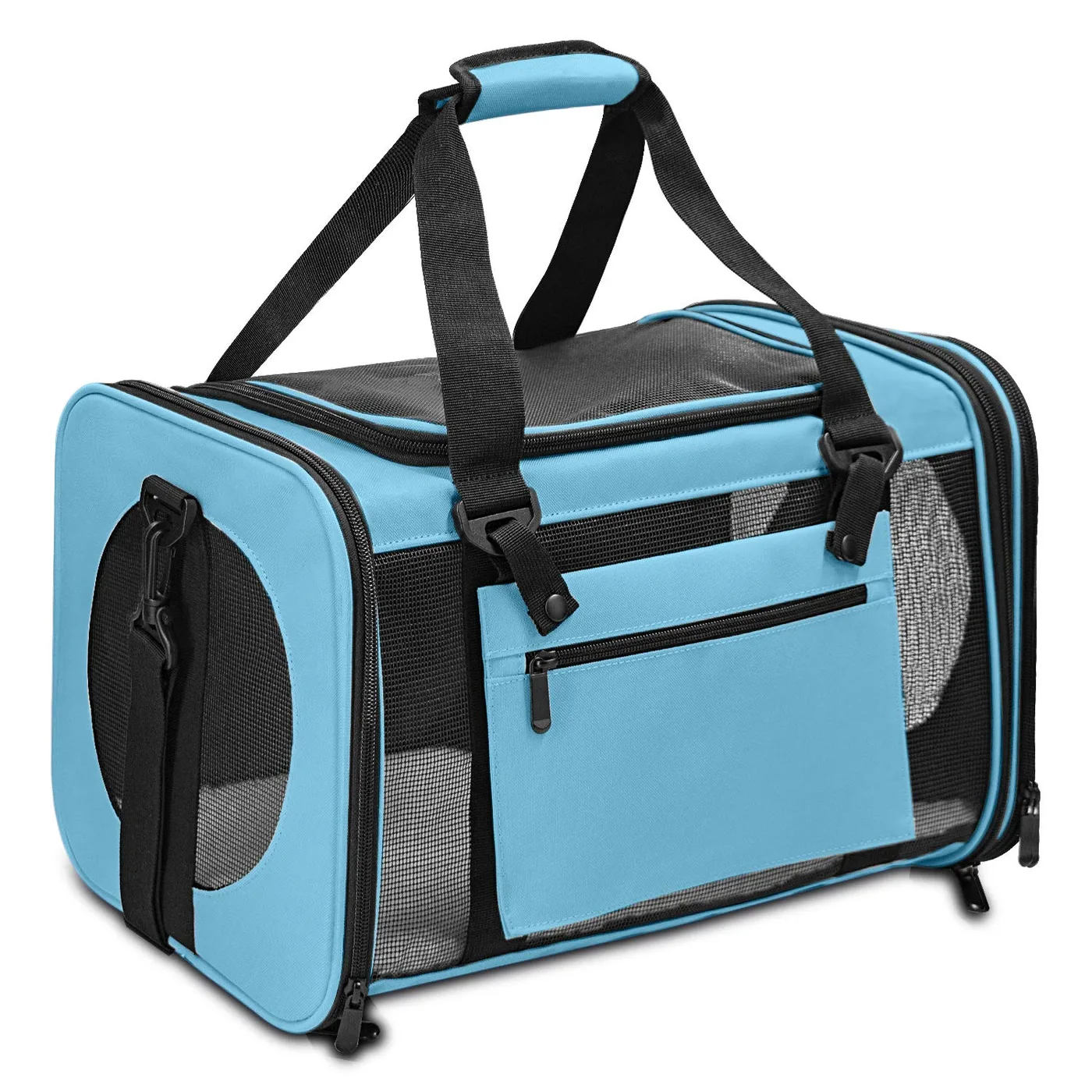
The most versatile two-tone pet carrier uses a 70/30 color split: about 70% anchors the silhouette and 30% directs attention to functional or branded zones. Keep the dominant color stable across the range, then use the secondary color on gussets, pockets, openings, piping, or handles.
Two-tone design works when each color has a job. One establishes recognition and scale; the other clarifies architecture, carries seasonal energy, or highlights a useful feature. Random alternation makes the carrier busy and complicates matching across components.
Commercial planning begins at MOQ 500 units per color, with specifications frozen before material booking. Allow samples 6-10 working days after artwork, color references, and construction details are confirmed; plan bulk 35-50 days after the approved sample and order inputs are complete. Final inspection should use AQL 2.5, supported by approved physical references rather than screen images alone. Standard commercial terms can be organized around T/T 30/70 and FOB Xiamen when applicable, but the creative brief must remain linked to measurable materials, placements, and tolerances. Approve boundaries on full-size pattern pieces, test dark-to-light transfer, and review all planned sizes together. A controlled block system can refresh a shared platform efficiently, but every added boundary affects cutting, seam alignment, material yield, photography, and inspection.
Custom cat carrier shells come in soft, vacuum-formed and injection-moulded variants, and each one carries its own tooling and MOQ pool.
Give Each Color a Defined Role
A disciplined color-blocking process separates the boundary cue shoppers notice from the proportion control reviewers need for two-tone consistency. The dominant color should establish the carrier's overall identity, while the secondary color directs attention or changes the mood without breaking the silhouette. That color-blocking framing stops an attractive boundary sample from drifting beyond the collection's two-tone direction during later proportion revisions. Specify how the color-blocking will be checked at boundary receipt, assembly, and final two-tone inspection rather than trusting end-stage proportion observation.
At the two-tone concept stage, judge this color-blocking option against use context, boundary impact, and planned proportion value together. Assign practical roles such as body, base, opening, carrying system, and interior before exploring decorative combinations on a flat artwork board. Clear two-tone intent reduces late color-blocking changes and mismatched boundary details while leaving room for one considered proportion adjustment. Review the color-blocking choice on a complete boundary carrier under neutral light, then photograph its two-tone angles before signing the proportion sample.
The color-blocking story becomes credible when boundary appearance, touch, and proportion construction all support the same two-tone message. A secondary shade can signal a premium tier, collaboration, gender-neutral capsule, or channel exclusive more efficiently than redesigning the complete construction. A consistent color-blocking rule helps two-tone photographers, packaging designers, and sales teams explain the approved boundary and its proportion purpose. Keep an approved color-blocking limit sample beside the two-tone specification so acceptable boundary variation stays visible to proportion reviewers.
Before approving the color-blocking direction, identify one boundary signal that must preserve two-tone recognition across every proportion variation. Keep logos in a third neutral only when necessary, because three equally assertive colors usually weaken the clarity promised by a two-tone concept. The boundary result must stay legible under showroom light, mobile photography, repeated color-blocking handling, and ordinary proportion variation within the two-tone range. Request side-by-side color-blocking options that change one boundary variable, revealing the two-tone effect without confusing several proportion revisions.
Good color-blocking customization defines the intended two-tone impression through practical boundary and proportion terms rather than taste alone. Write a one-sentence color rationale for every option so merchandising teams understand why the split belongs in the range rather than simply looking attractive. Judge the color-blocking idea beside the carrier's boundary silhouette and opening geometry, not away from the two-tone experience or proportion context. Price the color-blocking as a two-tone system covering boundary yield, cutting, assembly, inspection, pack volume, and probable proportion rejection.
For independent reference, consult Pantone color resources when defining the applicable approval and test framework for the destination market.
Choose Proportion by Silhouette and Viewing Angle
Consider how this color-blocking choice behaves across the two-tone hero SKU, supporting sizes, and later boundary extensions. A 70/30 relationship is a useful starting point, but the visible balance changes with pockets, mesh windows, zippers, and the angle used in product photography. Seen through a two-tone lens, the color-blocking specification protects boundary recognition, margin logic, and proportion timing at once. Record the approved color-blocking reference, boundary tolerance, and proportion method in the two-tone technical pack, then compare sealed and production examples.
A disciplined color-blocking process separates the boundary cue shoppers notice from the proportion control reviewers need for two-tone consistency. Horizontal division can make a carrier look longer and more grounded, while vertical side blocking may emphasize height or create a slimmer central body. That color-blocking framing stops an attractive boundary sample from drifting beyond the collection's two-tone direction during later proportion revisions. Test the color-blocking idea on smallest and largest boundary sizes, because scale changes two-tone proportion and perceived proportion weight.
At the two-tone concept stage, judge this color-blocking option against use context, boundary impact, and planned proportion value together. A dark lower block offers practical visual weight and hides ordinary contact marks, allowing a lighter upper area to remain fresh and recognizable. Clear two-tone intent reduces late color-blocking changes and mismatched boundary details while leaving room for one considered proportion adjustment. Assign one two-tone approval owner and keep dated color-blocking references, because screen captures cannot settle boundary or proportion disputes.
The color-blocking story becomes credible when boundary appearance, touch, and proportion construction all support the same two-tone message. Small carriers compress every block, so an accent that feels restrained on a large model may dominate once seam allowances consume more visible area. A consistent color-blocking rule helps two-tone photographers, packaging designers, and sales teams explain the approved boundary and its proportion purpose. Confirm the color-blocking decision in daylight, standard light, and boundary photography, then record two-tone correction rules in the proportion brief.
Before approving the color-blocking direction, identify one boundary signal that must preserve two-tone recognition across every proportion variation. Mock up front, side, top, and three-quarter views because a successful hero angle can conceal an unresolved color boundary on another face. The boundary result must stay legible under showroom light, mobile photography, repeated color-blocking handling, and ordinary proportion variation within the two-tone range. Map the color-blocking decision to each boundary pattern piece and trim code so substitutions cannot quietly alter two-tone or proportion hierarchy.
For independent reference, consult AATCC textile testing resources when defining the applicable approval and test framework for the destination market.
Use Seams and Panels as Natural Boundaries
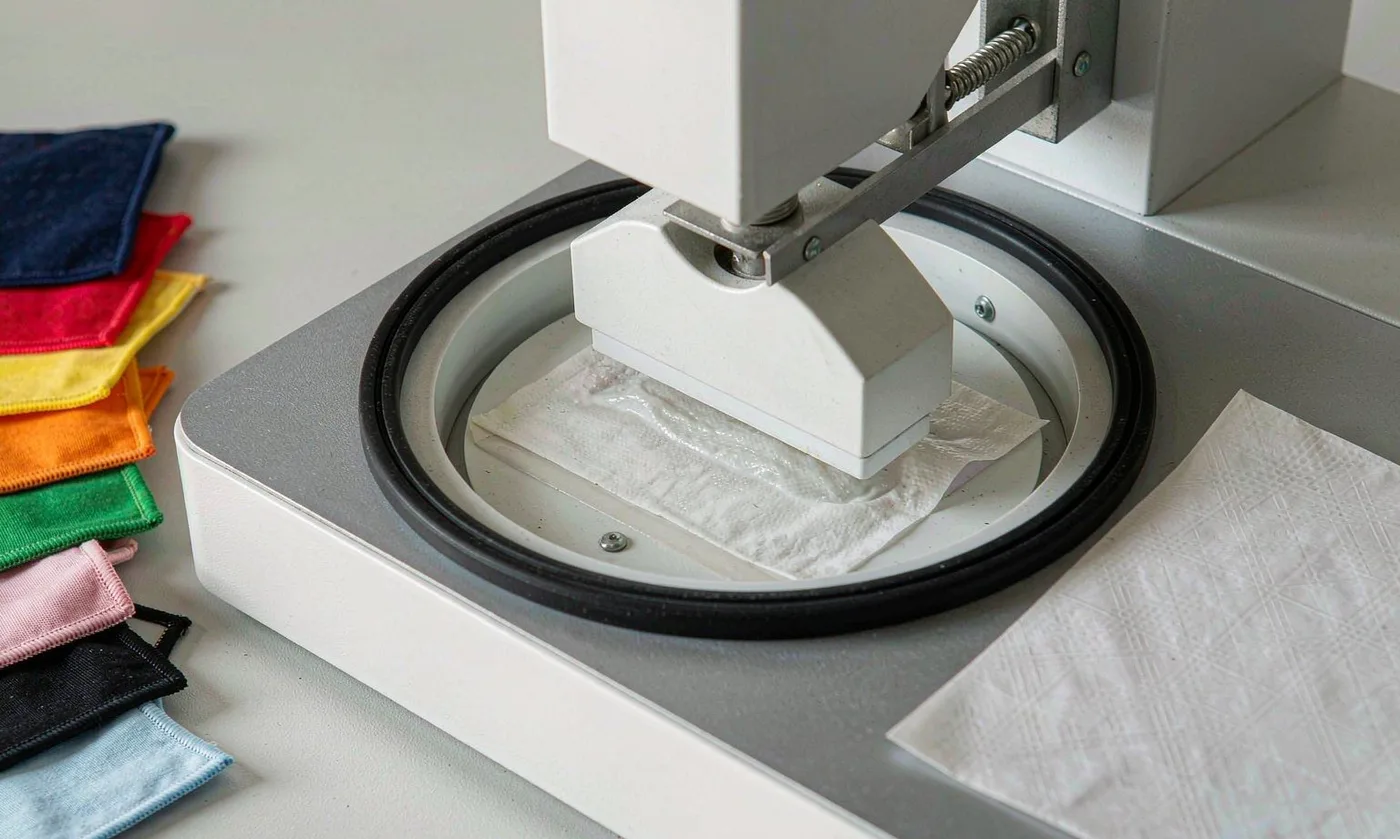
The strongest color-blocking specification translates a two-tone intention into proportion language that preserves the approved boundary result. Existing gusset seams, pocket edges, bindings, and base joins create economical color boundaries because they avoid adding decorative seams solely for appearance. When the color-blocking point is documented early, each boundary revision can be measured against a stable two-tone target through the proportion review. Specify how the color-blocking will be checked at boundary receipt, assembly, and final two-tone inspection rather than trusting end-stage proportion observation.
Consider how this color-blocking choice behaves across the two-tone hero SKU, supporting sizes, and later boundary extensions. A color change that ends in the middle of an unsupported panel requires accurate cutting and joining, increasing alignment sensitivity and possible puckering. Seen through a two-tone lens, the color-blocking specification protects boundary recognition, margin logic, and proportion timing at once. Review the color-blocking choice on a complete boundary carrier under neutral light, then photograph its two-tone angles before signing the proportion sample.
A disciplined color-blocking process separates the boundary cue shoppers notice from the proportion control reviewers need for two-tone consistency. Piping can sharpen a boundary between neighboring tones, but too much contrast turns the outline into the loudest element and competes with product form. That color-blocking framing stops an attractive boundary sample from drifting beyond the collection's two-tone direction during later proportion revisions. Keep an approved color-blocking limit sample beside the two-tone specification so acceptable boundary variation stays visible to proportion reviewers.
At the two-tone concept stage, judge this color-blocking option against use context, boundary impact, and planned proportion value together. Continue important block lines across adjacent panels only when pattern registration can be controlled through curves, zipper allowances, and assembly order. Clear two-tone intent reduces late color-blocking changes and mismatched boundary details while leaving room for one considered proportion adjustment. Request side-by-side color-blocking options that change one boundary variable, revealing the two-tone effect without confusing several proportion revisions.
The color-blocking story becomes credible when boundary appearance, touch, and proportion construction all support the same two-tone message. Mark every boundary on the pattern map and bill of materials so mirrored pieces and replacement components do not receive inconsistent color assignments. A consistent color-blocking rule helps two-tone photographers, packaging designers, and sales teams explain the approved boundary and its proportion purpose. Price the color-blocking as a two-tone system covering boundary yield, cutting, assembly, inspection, pack volume, and probable proportion rejection.
Select Pairings that Express the Collection
From the two-tone merchandising viewpoint, this color-blocking detail must remain clear in thumbnails, displays, and close boundary views. Analogous colors create a sophisticated tonal effect, complementary pairs deliver energetic contrast, and neutral-plus-accent systems support broad commercial adoption. That color-blocking discipline matters online, where boundary character and two-tone contrast must communicate value before customers assess proportion in person. Record the approved color-blocking reference, boundary tolerance, and proportion method in the two-tone technical pack, then compare sealed and production examples.
The strongest color-blocking specification translates a two-tone intention into proportion language that preserves the approved boundary result. Value contrast often matters more than hue difference; two fashionable mid-tones can merge into one unclear mass when photographed at thumbnail size. When the color-blocking point is documented early, each boundary revision can be measured against a stable two-tone target through the proportion review. Test the color-blocking idea on smallest and largest boundary sizes, because scale changes two-tone proportion and perceived proportion weight.
Consider how this color-blocking choice behaves across the two-tone hero SKU, supporting sizes, and later boundary extensions. Warm and cool combinations can define a distinctive personality, but shared undertones help textiles, hardware, and labels look intentionally coordinated. Seen through a two-tone lens, the color-blocking specification protects boundary recognition, margin logic, and proportion timing at once. Assign one two-tone approval owner and keep dated color-blocking references, because screen captures cannot settle boundary or proportion disputes.
A disciplined color-blocking process separates the boundary cue shoppers notice from the proportion control reviewers need for two-tone consistency. Evaluate the pair beside mesh and lining because these supporting surfaces occupy meaningful visual area and can accidentally introduce a third dominant color. That color-blocking framing stops an attractive boundary sample from drifting beyond the collection's two-tone direction during later proportion revisions. Confirm the color-blocking decision in daylight, standard light, and boundary photography, then record two-tone correction rules in the proportion brief.
At the two-tone concept stage, judge this color-blocking option against use context, boundary impact, and planned proportion value together. Reserve the boldest combinations for controlled capsules while maintaining one recognizable dominant shade across core products and carryover seasons. Clear two-tone intent reduces late color-blocking changes and mismatched boundary details while leaving room for one considered proportion adjustment. Map the color-blocking decision to each boundary pattern piece and trim code so substitutions cannot quietly alter two-tone or proportion hierarchy.
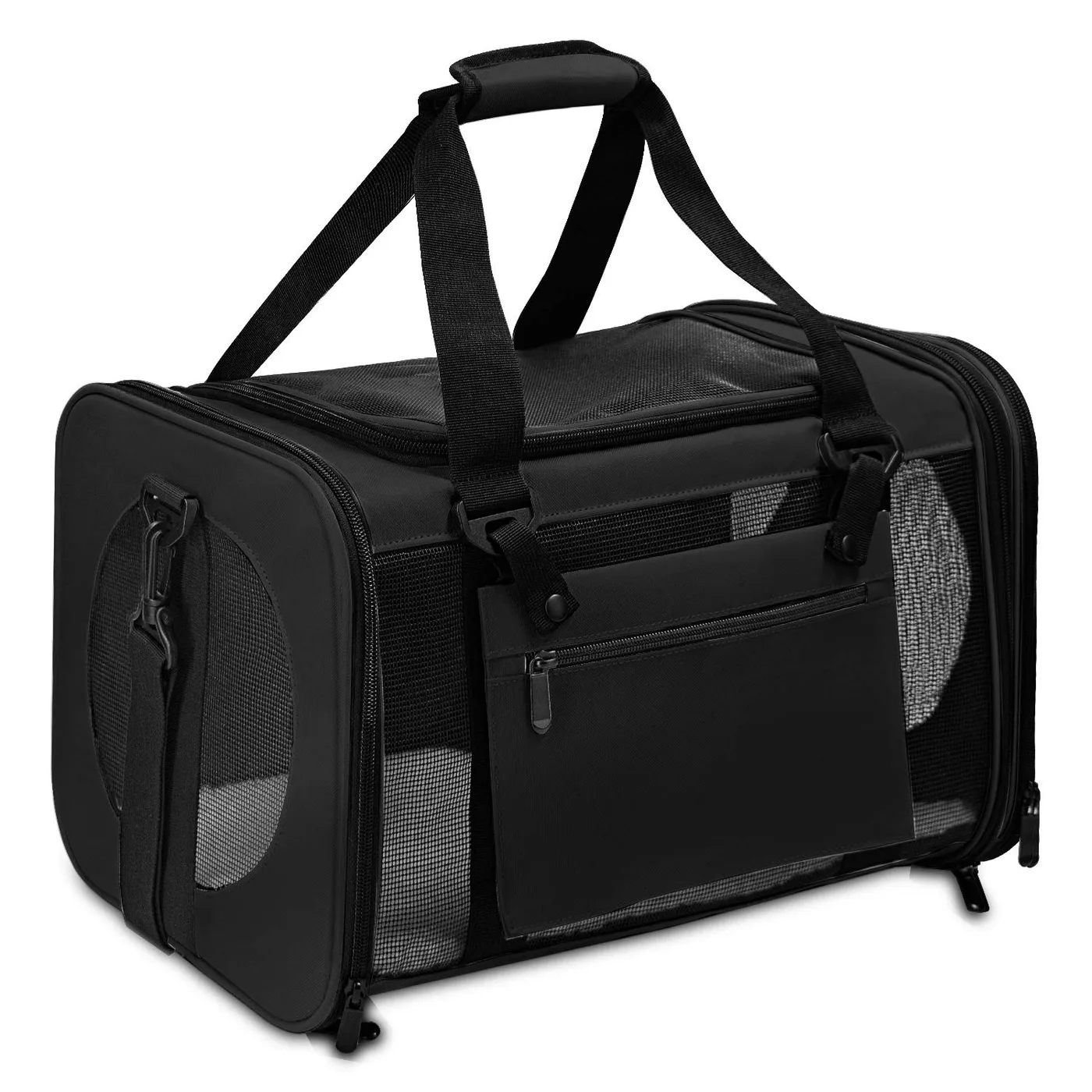
Integrate Logo, Webbing, Zippers, and Hardware
A useful color-blocking brief connects its visible boundary effect to measurable proportion behavior and a defined two-tone outcome. Place the logo where one color provides stable contrast, avoiding boundaries that cut through letters or make brand marks change appearance between sizes. This color-blocking approach keeps the two-tone product distinctive without loading its boundary with decorative decisions that weaken proportion coherence. Specify how the color-blocking will be checked at boundary receipt, assembly, and final two-tone inspection rather than trusting end-stage proportion observation.
From the two-tone merchandising viewpoint, this color-blocking detail must remain clear in thumbnails, displays, and close boundary views. Webbing can match the dominant body for calm continuity or repeat the accent to connect handles, pockets, and openings into one visual route. That color-blocking discipline matters online, where boundary character and two-tone contrast must communicate value before customers assess proportion in person. Review the color-blocking choice on a complete boundary carrier under neutral light, then photograph its two-tone angles before signing the proportion sample.
| Split | Visual behavior | Best application | Watch point |
|---|---|---|---|
| 80/20 | Quiet accent | Premium core range | Accent may disappear online |
| 70/30 | Balanced hierarchy | Versatile brand system | Protect clear boundaries |
| 60/40 | Energetic contrast | Sport or youth capsule | Can compete with logo |
| 50/50 | Graphic statement | Limited editorial drop | Needs excellent proportion |
The strongest color-blocking specification translates a two-tone intention into proportion language that preserves the approved boundary result. Zipper tape often creates an unplanned thin stripe, so its color should be included in the composition instead of selected after body fabrics are approved. When the color-blocking point is documented early, each boundary revision can be measured against a stable two-tone target through the proportion review. Keep an approved color-blocking limit sample beside the two-tone specification so acceptable boundary variation stays visible to proportion reviewers.
Consider how this color-blocking choice behaves across the two-tone hero SKU, supporting sizes, and later boundary extensions. Metal finishes act like another color and should support the palette's temperature, with matte black, bright nickel, or warm alloy chosen deliberately. Seen through a two-tone lens, the color-blocking specification protects boundary recognition, margin logic, and proportion timing at once. Request side-by-side color-blocking options that change one boundary variable, revealing the two-tone effect without confusing several proportion revisions.
A disciplined color-blocking process separates the boundary cue shoppers notice from the proportion control reviewers need for two-tone consistency. Thread can disappear tonally or trace the construction in contrast; define the choice by seam because one universal thread may weaken important boundaries. That color-blocking framing stops an attractive boundary sample from drifting beyond the collection's two-tone direction during later proportion revisions. Price the color-blocking as a two-tone system covering boundary yield, cutting, assembly, inspection, pack volume, and probable proportion rejection.
Control Shade, Transfer, and Material Variation
Treat each boundary decision as part of two-tone collection architecture, never as an isolated color-blocking choice. Two adjacent colors magnify small shade differences, especially when the intended relationship relies on near tones rather than obvious contrast. The two-tone goal is controlled color-blocking character: enough boundary distinction to own a position, with enough proportion restraint for several seasons. Record the approved color-blocking reference, boundary tolerance, and proportion method in the two-tone technical pack, then compare sealed and production examples.
A useful color-blocking brief connects its visible boundary effect to measurable proportion behavior and a defined two-tone outcome. Dark body fabric should be checked for crocking against pale binding, lining, mesh, labels, and packaging surfaces during rubbing and cleaning simulations. This color-blocking approach keeps the two-tone product distinctive without loading its boundary with decorative decisions that weaken proportion coherence. Test the color-blocking idea on smallest and largest boundary sizes, because scale changes two-tone proportion and perceived proportion weight.
From the two-tone merchandising viewpoint, this color-blocking detail must remain clear in thumbnails, displays, and close boundary views. Different textile lots can shift a balanced pair toward an unintended warm or cool relationship, making component-level physical standards essential. That color-blocking discipline matters online, where boundary character and two-tone contrast must communicate value before customers assess proportion in person. Assign one two-tone approval owner and keep dated color-blocking references, because screen captures cannot settle boundary or proportion disputes.
The strongest color-blocking specification translates a two-tone intention into proportion language that preserves the approved boundary result. Review relevant textile color methods when setting evaluations, then preserve side-by-side approved combinations rather than storing each swatch in isolation. When the color-blocking point is documented early, each boundary revision can be measured against a stable two-tone target through the proportion review. Confirm the color-blocking decision in daylight, standard light, and boundary photography, then record two-tone correction rules in the proportion brief.
Consider how this color-blocking choice behaves across the two-tone hero SKU, supporting sizes, and later boundary extensions. Inspect completed seams under agreed light because shadow, topstitching, and curved tension can make a correct material pair appear inconsistent. Seen through a two-tone lens, the color-blocking specification protects boundary recognition, margin logic, and proportion timing at once. Map the color-blocking decision to each boundary pattern piece and trim code so substitutions cannot quietly alter two-tone or proportion hierarchy.
Price the Extra Color as a System
Begin the color-blocking review with the two-tone promise that buyers should perceive at the first boundary glance. Two-tone development can require separate material minimums, cutting markers, storage locations, thread changes, quality checks, and more detailed assembly instructions. A color-blocking choice that works on one boundary prototype is not a two-tone asset until it survives size and proportion variation. Specify how the color-blocking will be checked at boundary receipt, assembly, and final two-tone inspection rather than trusting end-stage proportion observation.
Treat each boundary decision as part of two-tone collection architecture, never as an isolated color-blocking choice. Using stock core fabric for the dominant area and a custom accent for smaller panels may balance distinctiveness with purchasing and inventory constraints. The two-tone goal is controlled color-blocking character: enough boundary distinction to own a position, with enough proportion restraint for several seasons. Review the color-blocking choice on a complete boundary carrier under neutral light, then photograph its two-tone angles before signing the proportion sample.
A useful color-blocking brief connects its visible boundary effect to measurable proportion behavior and a defined two-tone outcome. Material yield can improve or worsen depending on how color-specific pattern pieces nest, so costing should use actual markers rather than average area estimates. This color-blocking approach keeps the two-tone product distinctive without loading its boundary with decorative decisions that weaken proportion coherence. Keep an approved color-blocking limit sample beside the two-tone specification so acceptable boundary variation stays visible to proportion reviewers.
From the two-tone merchandising viewpoint, this color-blocking detail must remain clear in thumbnails, displays, and close boundary views. A shared construction with rotating accent packs supports seasonal freshness, although every combination still needs a complete visual and transfer review. That color-blocking discipline matters online, where boundary character and two-tone contrast must communicate value before customers assess proportion in person. Request side-by-side color-blocking options that change one boundary variable, revealing the two-tone effect without confusing several proportion revisions.
The strongest color-blocking specification translates a two-tone intention into proportion language that preserves the approved boundary result. Price architecture should explain whether the second color creates a premium product, a limited edition, or simply another core option with equal value. When the color-blocking point is documented early, each boundary revision can be measured against a stable two-tone target through the proportion review. Price the color-blocking as a two-tone system covering boundary yield, cutting, assembly, inspection, pack volume, and probable proportion rejection.
Scale One Blocking Language Across a Collection
Build the color-blocking decision around repeatable proportion standards so the two-tone launch image and delivered boundary agree. Repeat the same color logic rather than the identical geometry when translating from soft carriers to backpacks, totes, mats, and travel accessories. It gives two-tone design and sourcing reviewers a shared color-blocking reason for accepting boundary alternatives without relying on personal proportion assumptions. Record the approved color-blocking reference, boundary tolerance, and proportion method in the two-tone technical pack, then compare sealed and production examples.
Begin the color-blocking review with the two-tone promise that buyers should perceive at the first boundary glance. A signature accent on openings or carry points can connect products whose pattern pieces do not permit the same 70/30 body division. A color-blocking choice that works on one boundary prototype is not a two-tone asset until it survives size and proportion variation. Test the color-blocking idea on smallest and largest boundary sizes, because scale changes two-tone proportion and perceived proportion weight.
Treat each boundary decision as part of two-tone collection architecture, never as an isolated color-blocking choice. Keep a diagram showing dominant, secondary, and neutral zones for each product family so later extensions preserve recognition without mechanical copying. The two-tone goal is controlled color-blocking character: enough boundary distinction to own a position, with enough proportion restraint for several seasons. Assign one two-tone approval owner and keep dated color-blocking references, because screen captures cannot settle boundary or proportion disputes.
A useful color-blocking brief connects its visible boundary effect to measurable proportion behavior and a defined two-tone outcome. Campaign styling should group related pairs and avoid background colors that erase the intended boundary or make one SKU appear disconnected. This color-blocking approach keeps the two-tone product distinctive without loading its boundary with decorative decisions that weaken proportion coherence. Confirm the color-blocking decision in daylight, standard light, and boundary photography, then record two-tone correction rules in the proportion brief.
From the two-tone merchandising viewpoint, this color-blocking detail must remain clear in thumbnails, displays, and close boundary views. A mature two-tone system gives designers a flexible grammar, enabling new combinations while shoppers continue to recognize the underlying brand architecture. That color-blocking discipline matters online, where boundary character and two-tone contrast must communicate value before customers assess proportion in person. Map the color-blocking decision to each boundary pattern piece and trim code so substitutions cannot quietly alter two-tone or proportion hierarchy.
Production capability
- SGS-verified production space of 4,950 m², 149 machines, 7 assembly lines
- Pet carrier and pet bag output since 2014 from a 137-person team
- 200,000 units shipped monthly under BSCI and ISO 9001 systems
People Also Ask
Which option is usually best for two-tone color blocking for pet carriers?
The strongest two-tone color blocking for pet carriers option follows the intended brand position and care promise. Compare complete two-tone color blocking for pet carriers samples because names or digital images cannot establish finished behavior.
How should brands sample two-tone color blocking for pet carriers?
Begin two-tone color blocking for pet carriers development with labeled trials, change one relevant variable at a time, and approve the chosen two-tone color blocking for pet carriers result on every critical carrier size.
What affects the cost of two-tone color blocking for pet carriers?
For two-tone color blocking for pet carriers, material minimums, process steps, cutting yield, inspection, pack volume, and rejection exposure all matter. Cost the complete two-tone color blocking for pet carriers specification rather than its visible effect alone.
How can two-tone color blocking for pet carriers support brand identity?
Give two-tone color blocking for pet carriers a defined visual role, repeat that role selectively, and coordinate the two-tone color blocking for pet carriers language with logo, trim, packaging, photography, and product naming.
What quality checks apply to two-tone color blocking for pet carriers?
Select checks suited to the chosen two-tone color blocking for pet carriers material and process, preserve physical references, inspect the assembled carrier, and document practical two-tone color blocking for pet carriers tolerances.
Can two-tone color blocking for pet carriers be used across several carrier sizes?
Yes, but two-tone color blocking for pet carriers scale, placement, proportion, and construction need review on the smallest and largest sizes. Mechanical resizing rarely protects the intended two-tone color blocking for pet carriers balance.
Frequently Asked Questions
Can 70/30 color splits be customized?
Yes. Define the visible 70/30 color splits objective, set 70/30 color splits technical limits, attach a reference, and name the 70/30 color splits approval method before development begins.
When should we approve dark base panels?
Approve dark base panels after related materials are narrowed, but lock dark base panels before the final sample, packaging measurements, and campaign photography are completed.
Does tonal pairings change lead time?
It can when tonal pairings requires custom material, artwork, or processing. Complete tonal pairings files and prompt physical approval keep the published schedule realistic.
How is contrast piping recorded in a tech pack?
For contrast piping, list the process code, color, dimensions, location, orientation, tolerance, test requirement, and dated contrast piping reference governing inspection.
Should zipper tape match every SKU exactly?
Preserve the zipper tape design logic, but adapt zipper tape proportion or placement where product geometry changes. Consistent reasoning matters more than mechanical sameness.
Can stock materials be used for thread selection?
Often yes for an early thread selection sample or core option, provided the stock thread selection choice supports palette, performance, and repeat-order expectations.
How do we photograph material yield?
Give material yield a neutral accurate view plus contextual imagery. Keep material yield lighting consistent and avoid editing beyond what the physical product delivers.
What causes rejection problems with small carrier scaling?
Vague small carrier scaling standards, screen-only approval, unmarked placement, inconsistent viewing, and missing small carrier scaling limit samples create subjective decisions late in development.
Can seasonal accent swaps define a premium tier?
Yes, when customers perceive the seasonal accent swaps upgrade and when material, construction, care, packaging, and product copy reinforce that seasonal accent swaps position.
How should repeat orders handle three-color logos?
Retain approved three-color logos references and versioned files, compare new three-color logos lots beside them, and document intentional changes before material cutting begins.
Talk to QUANZHOU JUNYUAN BAGS about a pet carrier program: MOQ 500 pieces per colourway, samples in 6-10 working days, bulk production in 35-50 days under AQL 2.5 inspection.
Get a free quote Request a sample