Rolling Pet Carrier: Wheeled Design
A rolling pet carrier is a chassis project before it is a bag project: three engineered elements decide whether the product works, namely a wheel set rated comfortably above the loaded weight, a telescoping handle with a stated collapse and extension length, and a base structure that keeps the floor flat while the bag travels upright. Start at MOQ 500 pieces per colourway, allow 6-10 working days per sample round, and plan 35-50 days for bulk after sign-off.
Our design and production team treats a wheeled pet carrier as the most specification-heavy silhouette in a private label range, because every kilogram the pet adds is carried by four small components rather than by the owner's shoulder. Commercial floor is MOQ 500 pieces per colourway; below that the wheel tooling, the handle tube tooling and the moulded base cannot be amortised into a sane unit price. Sample development runs 6-10 working days per round, and a wheeled program realistically needs two to three rounds because the first must be judged on structure and the second on rolling behaviour. Bulk runs 35-50 days after sample approval and deposit clearance, and no shipment releases until an AQL 2.5 inspection report is issued and accepted. Terms are T/T 30/70, FOB Xiamen, with wheel and handle components sourced against a written spec rather than a photograph. Budget 2-4 dollars per unit above a comparable non-wheeled shell for the wheel set, handle tube and reinforced base, and treat that premium as a price-band decision rather than a cost problem. The payoff is a SKU that sits in a higher retail band, photographs as travel luggage rather than as a pet accessory, and opens an airport and station channel that soft carriers cannot enter.
Private label pet carrier reorders depend on dye-lot control: the reference is held for twelve months so a repeat matches the approved sample.
Wheeled Architecture: A Chassis Project, Not an Accessory
The first mistake brands make with a rolling pet carrier is treating wheels as an add-on purchased in the trim market and sewn under a finished bag. A wheeled chassis redistributes load, and load redistribution changes the pattern, the base board, the frame, the zip path and the ventilation layout. If the wheels are specified after the silhouette is frozen, the result is almost always a bag that drags its own floor and tips forward under the first real pet.
Think in terms of three structural zones. The load zone is the base, which must be rigid enough to distribute the pet's weight across the wheel mounts without oil-canning. The transition zone is the lower shell, which takes the bending moment where the base meets the side walls. The control zone is the handle, which sets how far the owner's hand sits from the wheel axis and therefore how much of the load is carried versus dragged.
Design order matters. Fix the wheel base width first, because it determines tip stability; fix the handle extension second, because it determines the pull angle; fix the shell volume third, because it determines what fits inside the resulting footprint. Brands that start with volume end up with a tall narrow box that is stable in a photograph and unnerving in a terminal.
The visual language follows from that order. A wheeled carrier reads as travel equipment, which is a genuine brand asset: it lets a pet line borrow the credibility of the luggage category without pretending to be luggage. Our designers lean into that with luggage-derived detailing - binding rather than raw edge, a structured top grab handle, a discreet trolley sleeve - and keep the pet-specific cues, mainly the ventilation field and the interior tether, inside that framework.
One caution on positioning. A wheeled carrier is not a substitute for a soft under-seat carrier, and a brand that presents it as one will collect returns from travellers who discover airline cabin rules after purchase. The honest framing is ground transport: stations, hotels, vet visits, car parks and apartment corridors. Airline cabin carriage is governed by the carrier and by rules such as those published by the FAA for travellers flying with pets, and a wheeled 12 kg chassis rarely satisfies an under-seat dimension.
Wheel and Handle Specification: The Numbers a Tech Pack Must State
Every wheeled program we run carries a written component spec, and the spec has six numbers that cannot be left to interpretation. Wheel diameter, wheel tread material, bearing type, load rating per wheel, handle extension length, and handle collapse length. When any of those six is missing, the sample round becomes a guessing exercise and the second round becomes a rewrite.
Wheel diameter sets the obstacle performance. A 50 mm wheel is acceptable on smooth terminal flooring and unacceptable on a cracked pavement; a 70-75 mm wheel clears expansion joints, kerbs and gravel without the owner lifting, and it costs very little more. Tread material sets both noise and wear: thermoplastic rubber runs quiet and marks less, while hard nylon rolls easier but transmits a buzz through the handle that customers notice within the first minute.
Load rating is the number most often under-specified. A 12 kg pet plus a 3 kg shell plus packing does not equal 15 kg on four wheels, because a wheeled bag on a turn or over a joint puts a large share of the load onto two wheels, dynamically. Our team specifies a per-wheel rating derived from a loaded weight with a safety factor rather than a static division by four, and then verifies it on a rolling test rather than on paper.
Handle specification has its own arithmetic. Extension length should place the grip between roughly 900 mm and 1,050 mm from the ground for the adult range the brand targets, because below that the owner stoops and above that the bag wanders. Collapse length must be short enough that the packed carton still works, which is why a three-stage tube is often specified even when the product only needs two for ergonomics.
Finally, state the wobble tolerance. A two-stage tube with a sloppy bushing feels cheap in the hand regardless of what the rest of the product cost, and it is one of the first things a retail buyer notices when they walk a sample down an aisle. Wobble is dimensional, so it can be specified: bushing fit, tube wall, and the number of contact points between stages all belong on the tech pack with a measurable limit.
Base Structure and Floor Load: Keeping the Platform Flat Under a Moving Pet
The base is where a wheeled custom pet carrier succeeds or fails physically. A pet does not distribute its weight evenly; it shifts, stands, turns and lies down, and each of those states puts a different load path into the platform. A base that is merely stiff enough to hold shape on a shelf will flex in motion, and flex is felt by the animal as instability, which is the single most common cause of a pet refusing to stay inside.
Two base constructions dominate. A moulded or composite tray bonded into the shell gives the flattest platform and the cleanest wheel mounting, at the cost of a tooling investment and a fixed footprint that cannot fold. A board-and-frame construction - a reinforced board wrapped in shell fabric with an internal frame - costs less to develop, allows some collapse for shipping, and needs careful attention at the corners where the frame meets the tray.
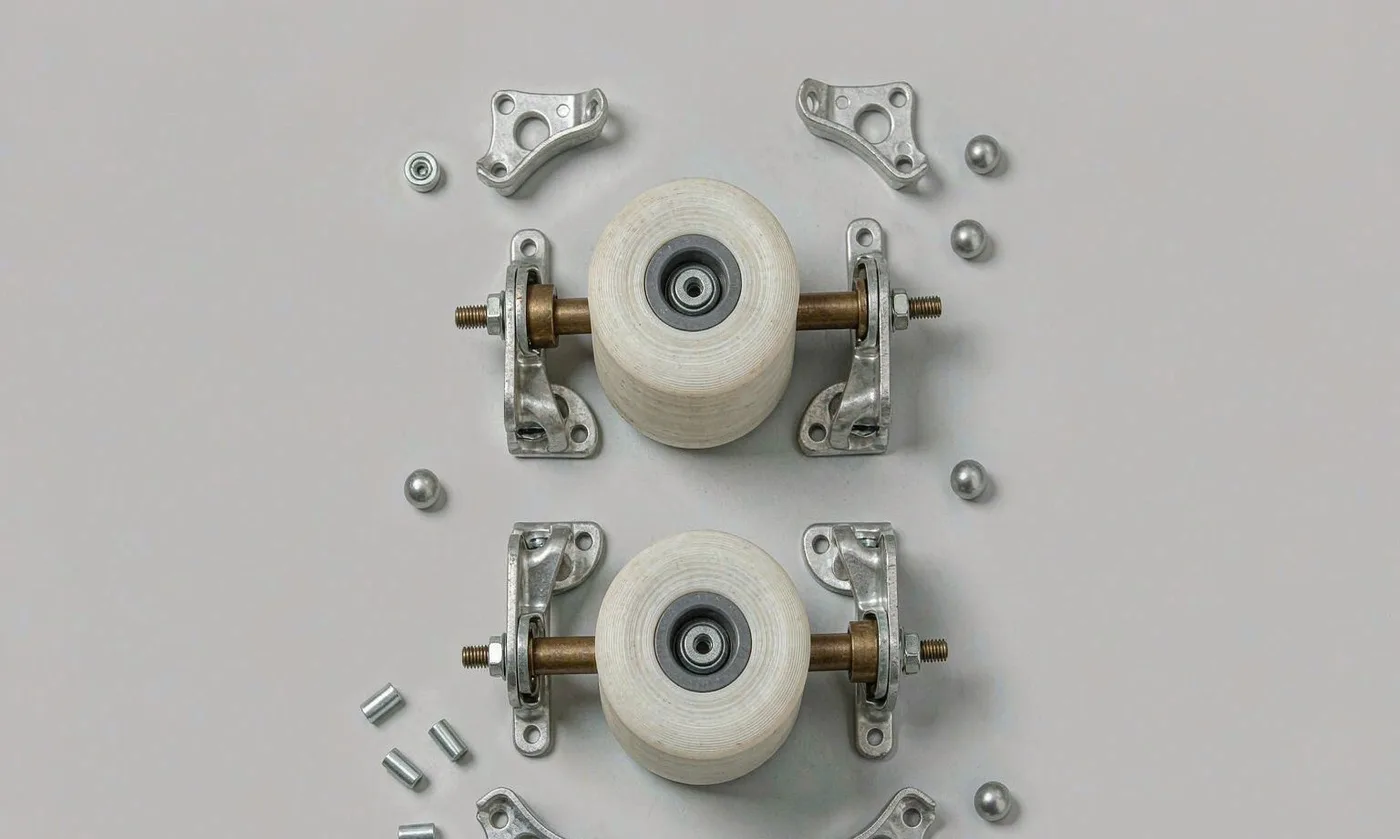
Wheel mounting deserves its own paragraph because it is the most common failure point in the field. Wheels screwed through fabric into a board pull out under repeated side load; wheels mounted to a plate that is itself bonded to a rigid tray survive. Specify the plate, specify the fastener, specify the backing, and then test the assembly by rolling a loaded unit over a repeated obstacle until something fails - on the sample, not on the customer.
Ventilation layout changes once the bag travels upright. In a shoulder-carried soft carrier the mesh field can sit on the long side; in a wheeled unit the pet faces forward or to the side and the airflow path is different. Our designers place the primary ventilation on the front face and the upper side panels, and keep the mesh out of the lower 80 mm where road spray, kerb contact and wheel grit will do the most damage.
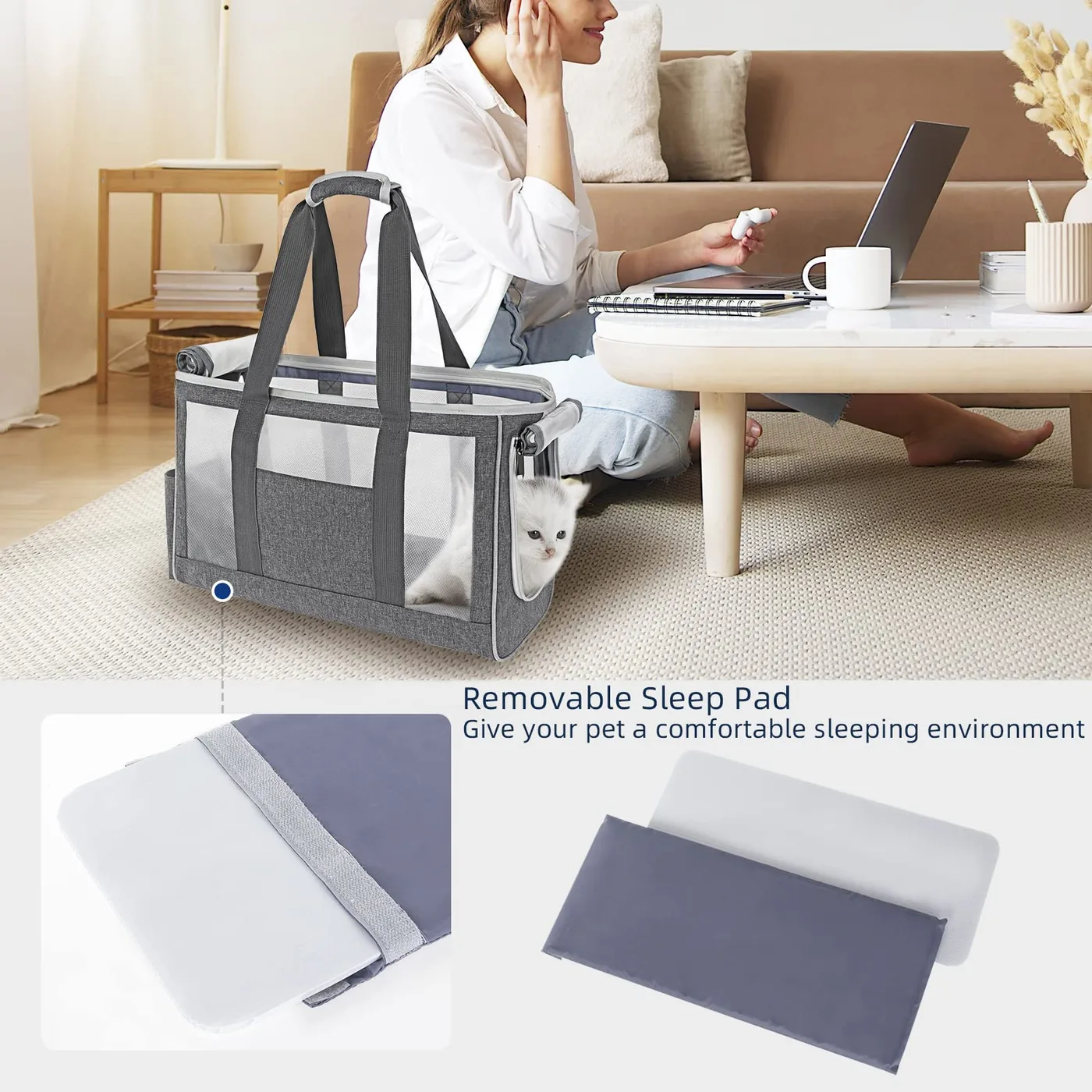
The comfort pad is the last base element and the one that gets value-engineered away first. A removable, washable pad over a rigid tray is both a comfort feature and a cleanability feature, and it is also the cheapest place to put a brand motif, because the inside of the bag is seen by the owner every single use and by nobody else.
Telescoping Handle Integration and the Brand Touchpoint
The handle is the only part of a rolling pet carrier that the customer grips for twenty continuous minutes, which makes it the highest-value square centimetre in the whole product for perceived quality. Weight, texture, temperature and the sound of the button release all register before the customer forms any opinion about the fabric.
Integration style is a design decision with brand consequences. An exposed tube on the back panel reads utility and is honest about what the product is. A tube hidden inside a zipped back panel reads more like a handbag, keeps the silhouette clean in photographs, and adds a pattern complication and one more zip to inspect. A hybrid - tube exposed at the top with a fabric shroud over the lower half - is usually the best compromise for a brand positioned in the mid to upper band.
The grip itself should be specified as a component, not as a shape. Durometer of the overmould, radius of the finger side, and whether the release button is centre or side all affect comfort, and all are cheap to change in sampling and expensive to change after tooling. Our team samples at least two grip options in the first round specifically so the brand can make a tactile decision rather than a visual one.
Branding opportunity here is disproportionate to cost. A moulded grip with a subtle logo, a laser-marked plate on the tube collar, or a woven flag at the handle base each cost cents and are read at eye level every time the product is used. We usually recommend one mark on the grip and one on the collar, and nothing else on the tube, because a printed tube scuffs within a season and a scuffed logo is worse than no logo.
There is also a safety detail worth designing in. A handle that locks only in the fully extended position will collapse under a sudden stop at the worst moment; a two-position lock with a positive detent at the top costs little and removes the complaint. State the lock positions and the release force on the spec so the line can verify them rather than guess.
Retail Cube, Freight Math and the Economics of a Wheeled SKU
A wheeled carrier costs more to buy, more to ship and more to display than a soft carrier, and a brand should go in knowing exactly where each of those costs lands. The unit cost premium is the visible part; the freight and display penalties are the part that quietly eats the margin after launch.
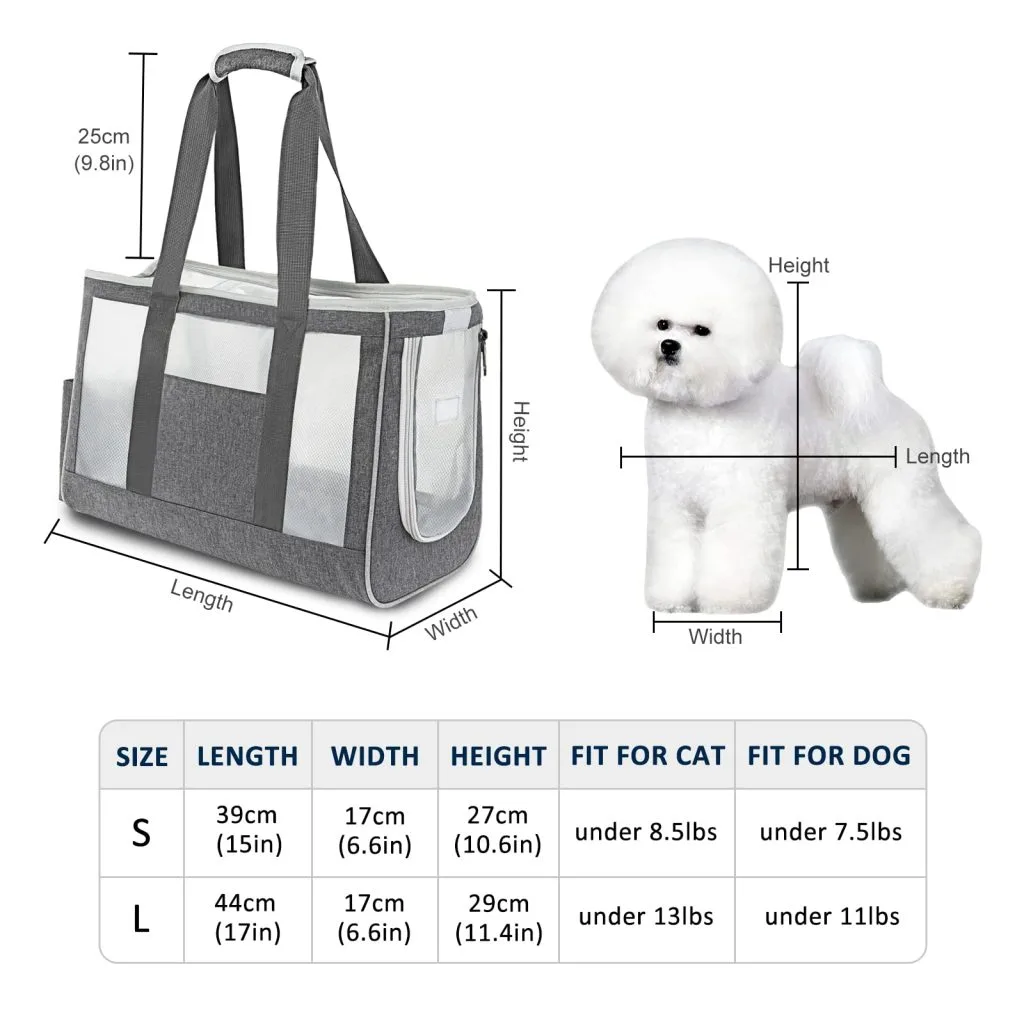
Three numbers drive the economics. Packed cube per unit, which for a wheeled bag is dominated by the collapsed handle and the fixed base and can be double that of a soft carrier of the same interior volume. Units per master carton, typically two to three rather than six to ten. And retail shelf depth, because a wheeled bag displayed upright needs more frontage than a soft bag hung on a hook.
The compensating factor is price band. A wheeled custom pet carrier sits naturally above a soft tote in a retail ladder, and in most channels the achievable retail multiple on the wheeled SKU more than covers the landed cost difference. The economics work when the brand commits to the premium position and fails when it tries to price a wheeled bag at a soft-bag number.
The table below compares the three chassis approaches our production team quotes most often, with the cost, cube and development implications a brand needs before it decides. Use it as a starting grid and then adjust for the specific material palette and decoration method of the program.
| Chassis option | Tooling | Unit cost index | Packed cube | Bulk lead time | Best brand position |
|---|---|---|---|---|---|
| Moulded tray, exposed tube | Tray + tube tooling | 100 (baseline) | High, fixed footprint | 40-50 days | Travel / technical |
| Board + frame, shrouded tube | Tube tooling only | 88-94 | Medium, partly collapsible | 35-45 days | Mid-tier fashion |
| Removable wheel plate | Plate tooling only | 78-86 | Low, ships flat | 35-42 days | Entry / e-commerce |
| Soft shell, no wheels | None | 62-70 | Lowest | 35-40 days | Casual / airline |
Freight is worth one more line of arithmetic. If the packed cube doubles and the units per carton fall from eight to three, the landed cost per unit rises even when the ocean rate per cubic metre is unchanged, and that rise has to be carried into the retail price at the planning stage rather than discovered at the distribution centre.
Decoration and Colour on a Wheeled Chassis
A wheeled chassis gives a brand more hard surfaces than a soft bag, and hard surfaces take different decoration. The front face, the top lid, the handle collar and the wheel housings are all decoratable, but they behave differently under print, embroidery and heat, and choosing the wrong method for the wrong surface is a classic sampling waste.
Screen print works well on the flat front face and on the lid panel where the substrate is stable. Heat transfer is the better answer where the artwork carries a gradient or where the panel has a slight curve. Embroidery on a wheeled bag should be reserved for a woven-label or patch application, because stitching through a laminated or reinforced panel adds needle holes in exactly the place the structure needs to stay intact.
Placement strategy should follow the standing pose. A wheeled carrier is photographed standing upright, so the front face carries the hero mark and the lid carries the secondary. Put the hero mark high enough that it is not hidden behind a trolley strap or a hang tag, and keep it at least 15 mm clear of any zip track or binding, because artwork crossing a seam distorts in production however clean the sample looked.
Colour system discipline matters more here than on a soft bag because a wheeled unit combines up to five material families: shell, lining, mesh, moulded tray and grip overmould. Approve all five together under at least two light sources before the dye lot is released, and reference the colour to a physical standard such as the Pantone system rather than to a screen value. Metamerism between a moulded part and a dyed fabric is the single most common shade dispute in this category.
Hardware and trim finish does the heavy lifting on perceived value. A matched set - grip, zip pulls, wheel hub caps and collar plate in one finish - lifts a mid-weight polyester shell into a higher visual band for a small absolute cost, and it is the cheapest upgrade available on a chassis that is already committing to a premium price.
Component documentation and reorder discipline
A wheeled program generates more documents than a soft one, and the discipline of keeping them together is what makes the second season cheap. Every wheel, tube, plate, bearing and grip should have a written component code with the supplier reference, the material, the finish and the tested load figure attached, held in the same tech pack as the fabric specification. Without those codes, a reorder six months later becomes a reverse-engineering exercise, and the replacement wheel that looks identical will not necessarily carry the same rating.
Our team also recommends a declared spare-parts position at launch. Wheels are the wear item in this category, and a brand that can ship a replacement wheel set to a customer converts a warranty cost into a service moment. Decide at the design stage whether the wheel is user-replaceable with a common tool, because that decision drives the fastener choice and the plate layout and cannot be added later.
Sampling, Testing and Sign-Off Before Bulk
A wheeled program should be sampled in a defined sequence, because the failure modes are physical and physical failures are best found in order. Round one is a rolling rig: wheels, plate, base and handle mounted on a simplified shell in a substitute colour. Its only job is to answer whether the loaded unit rolls straight, clears a kerb, and stays stable when the pet shifts.
Round two is the confirmation sample with actual dyed fabric, actual decoration and actual hardware finish, and it is the unit that goes to a retail buyer and to photography. This round must be rolled loaded, not just looked at, and we ask brand teams to judge it on a hard floor, on carpet and over a threshold, because those three surfaces produce three different complaints.
Durability testing on the wheel assembly should be contracted before bulk, not after. Rolling-distance and obstacle testing of a loaded unit, handle cycle testing, and drop testing of the packed carton are all assessable with recognised methods published by ASTM International, and third-party verification is available through bodies such as SGS. A wheel that survives 20 km of loaded rolling on a test rig will survive a season of real use; one that has never been rolled loaded is a guess.
Bulk release follows the same discipline as any other program in the range: pre-production check on the first pieces off the line, inline checks on wheel attachment and handle function while the run is still correctable, and final random inspection to the AQL 2.5 sampling plan with defects classified critical, major and minor. Critical defects on a wheeled unit are concentrated in the load path, so the inspection plan should over-sample wheel attachment, handle lock and base bonding.
Two closing scheduling notes. Book the wheel and handle components at the same time as the fabric, because those are the long-lead items and they are what pushes a 35-day program to 50 days. And hold one physically signed golden sample with its own wheels fitted, because every future reorder and every wheel dispute will be resolved against that piece.
Packing and carton specification
The carton for a wheeled unit must be specified from a transit test, not from a dimension guess. Set board grade, inner packing count and corner protection from the drop and compression result, and state the collapsed handle position on the packing instruction so the line packs every unit identically. A carton that lets the handle tube punch through the board is a defect that shows up as damaged goods, not as a packing note.
Production capability
- SGS-verified production space of 4,950 m², 149 machines, 7 assembly lines
- Pet carrier and pet bag output since 2014 from a 137-person team
- 200,000 units shipped monthly under BSCI and ISO 9001 systems
People Also Ask
Is a rolling pet carrier better than a backpack carrier?
They serve different journeys. A rolling carrier wins on long flat ground - stations, hotels, vet corridors - because the load leaves the owner's body entirely, while a backpack wins on stairs, crowds and any route where wheels cannot roll.
How do I stop a wheeled pet carrier from being noisy?
Specify a thermoplastic rubber tread rather than hard nylon, keep the wheel bearings sealed, and isolate the wheel plate from the shell with a bonded interface. Tread choice is the single biggest lever on rolling noise.
What interior floor size does a rolling carrier need?
Set the floor from the pet's standing length and chest width plus a clearance allowance, then check the resulting footprint for tip stability. Floor dimensions drive comfort; exterior footprint drives stability, and the two have to be reconciled before sampling.
Do wheeled pet carriers need a rigid base board?
Yes. A rigid tray or framed board is what distributes the pet's weight to the wheel mounts and keeps the platform flat in motion. Without it the floor flexes and the animal feels unstable.
How do I test a wheeled carrier before ordering bulk?
Roll a loaded unit on a test rig over a repeated obstacle, cycle the handle through its full travel, and drop-test the packed carton. Recognised test methods published by ASTM International give a defensible protocol for each.
Can a wheeled carrier be part of a coordinated pet travel line?
Yes, and it is the strongest anchor piece for one. A shared shell fabric, colour system and hardware finish across a wheeled unit, a soft tote and a backpack lets the range read as travel equipment rather than as three unrelated bags.
Frequently Asked Questions
What wheel size works best for a rolling pet carrier?
70-75 mm is the practical sweet spot for a carrier that will see pavements and station thresholds, because smaller wheels stall on expansion joints and kerbs. Below 60 mm the unit is only really usable on smooth indoor flooring.
Can a wheeled pet carrier be used as airline cabin baggage?
Usually not. Wheeled chassis with a rigid base and a telescoping handle rarely meet under-seat dimensions, and airline cabin acceptance depends on the individual carrier's rules. Position the product for ground transport and let a soft carrier serve the cabin channel.
How much does a wheeled carrier add to unit cost?
Typically 2-4 dollars per unit over a comparable non-wheeled shell, covering the wheel set, the handle tube and the reinforced base. Moulded tray construction adds a tooling investment on top of the per-unit figure.
What is the MOQ for a rolling pet carrier program?
MOQ 500 pieces per colourway. The figure is driven by the wheel and handle component minimums and by the dye lot, not by sewing capacity, and it keeps the tooling amortisation inside a workable unit cost.
How many sample rounds does a wheeled design need?
Two to three. Round one validates rolling behaviour on a simplified shell, round two is the confirmation unit with actual fabric and decoration, and a third is used when packaging or a grip change is in scope.
What is the bulk lead time for a rolling pet carrier?
35-50 days after sample approval and deposit clearance. The range depends mainly on wheel, handle and tray component availability, which is why those items should be booked alongside the fabric.
Should the telescoping handle be exposed or hidden?
An exposed tube reads technical and is simpler to make; a shrouded tube reads like a handbag and photographs cleanly but adds a zip and a pattern complication. A hybrid with a fabric shroud over the lower tube is usually the best mid-to-upper-tier answer.
How is load rating specified for carrier wheels?
Derive a per-wheel rating from the loaded weight with a dynamic safety factor rather than dividing total weight by four, because a turning or kerb-striking unit puts most of the load on two wheels. Then verify on a rolling test with the unit loaded.
Where should the logo go on a wheeled carrier?
The upper front face carries the hero mark because the product is photographed standing upright, and the lid carries the secondary. Keep artwork at least 15 mm clear of seams, zips and binding.
Can the wheels be made removable?
Yes, via a bolt-on or clip-on wheel plate, which ships flat and cuts freight cost. The trade-off is a less rigid load path and one more assembly step for the customer, so it suits entry-price and e-commerce programs better than premium ones.
What inspection standard applies to wheeled carriers?
Final random inspection follows the AQL 2.5 sampling plan with critical, major and minor defect classes. On wheeled units the inspection plan should over-sample wheel attachment, handle lock function and base bonding, because those sit in the load path.
What causes a wheeled carrier to tip forward?
A wheelbase that is too narrow relative to the height of the load, or a handle extension that places the grip too far from the wheel axis. Both are fixed in the design stage by setting wheelbase width and pull angle before the shell volume is finalised.
Talk to QUANZHOU JUNYUAN BAGS about a pet carrier program: MOQ 500 pieces per colourway, samples in 6-10 working days, bulk production in 35-50 days under AQL 2.5 inspection.
Get a free quote Request a sample