Reflective Webbing vs Plain: Safety
Reflective webbing is the better accent when low-light visibility is part of the product story, but plain webbing is the stronger full-area choice for color control and understated branding. Limit reflective material to 10-25 mm strategic bands unless testing proves a wider application remains flexible and durable.
Treat reflective webbing as a designed visibility cue rather than a guarantee of protection. Plain webbing should carry the structural and color workload when a range depends on exact brand shades, quiet luxury, or broad trim coordination.
Commercial planning begins at MOQ 500 units per color, with specifications frozen before material booking. Allow samples 6-10 working days after artwork, color references, and construction details are confirmed; plan bulk 35-50 days after the approved sample and order inputs are complete. Final inspection should use AQL 2.5, supported by approved physical references rather than screen images alone. Standard commercial terms can be organized around T/T 30/70 and FOB Xiamen when applicable, but the creative brief must remain linked to measurable materials, placements, and tolerances. Approve daytime appearance, low-light response, abrasion, flexing, sewing behavior, and placement on a complete carrier. Product copy must describe visibility accurately and avoid unsupported safety promises; the trim should strengthen recognition in daylight as well as after dark.
Custom dog carrier programmes usually run three size platforms at MOQ 500 pieces per colourway, with sizes mixed inside one style to reach the threshold.
Separate Visibility Value from Safety Claims
From the visibility-led merchandising viewpoint, this webbing detail must remain clear in thumbnails, displays, and close reflective-trim views. Reflective webbing returns light toward its source, creating a recognizable flash under suitable conditions, but it does not make a carrier universally visible. A webbing choice that works on one reflective-trim prototype is not a visibility-led asset until it survives size and abrasion variation. Confirm the webbing decision in daylight, standard light, and reflective-trim photography, then record visibility-led correction rules in the abrasion brief.
The strongest webbing specification translates a visibility-led intention into abrasion language that preserves the approved reflective-trim result. Angle, distance, contamination, curvature, and the strength of the light source all influence what a viewer sees in real travel situations. The visibility-led goal is controlled webbing character: enough reflective-trim distinction to own a position, with enough abrasion restraint for several seasons. Map the webbing decision to each reflective-trim pattern piece and trim code so substitutions cannot quietly alter visibility-led or abrasion hierarchy.
Consider how this webbing choice behaves across the visibility-led hero SKU, supporting sizes, and later reflective-trim extensions. Use precise language such as reflective accents or enhanced low-light visibility instead of implying certified protection that the product and placement have not demonstrated. This webbing approach keeps the visibility-led product distinctive without loading its reflective-trim with decorative decisions that weaken abrasion coherence. Close the webbing review with a written visibility-led decision and reflective-trim next step, preventing unresolved preferences from returning during abrasion approval.
A disciplined webbing process separates the reflective-trim cue shoppers notice from the abrasion control reviewers need for visibility-led consistency. Plain webbing remains appropriate when night visibility is not central, and a contrasting solid color may be more noticeable in ordinary indoor and daytime environments. That webbing discipline matters online, where reflective-trim character and visibility-led contrast must communicate value before customers assess abrasion in person. Specify how the webbing will be checked at reflective-trim receipt, assembly, and final visibility-led inspection rather than trusting end-stage abrasion observation.
At the visibility-led concept stage, judge this webbing option against use context, reflective-trim impact, and planned abrasion value together. Align copy, icons, photography, and test evidence so the visual feature supports a trustworthy product story rather than an inflated technical promise. When the webbing point is documented early, each reflective-trim revision can be measured against a stable visibility-led target through the abrasion review. Review the webbing choice on a complete reflective-trim carrier under neutral light, then photograph its visibility-led angles before signing the abrasion sample.
For independent reference, consult ASTM standards resources when defining the applicable approval and test framework for the destination market.
Use Reflective Trim as Part of the Visual Identity
A useful webbing brief connects its visible reflective-trim effect to measurable abrasion behavior and a defined visibility-led outcome. A narrow reflective line can outline a silhouette, frame a pocket, or connect hardware points without making the carrier resemble industrial protective equipment. It gives visibility-led design and sourcing reviewers a shared webbing reason for accepting reflective-trim alternatives without relying on personal abrasion assumptions. Request side-by-side webbing options that change one reflective-trim variable, revealing the visibility-led effect without confusing several abrasion revisions.
From the visibility-led merchandising viewpoint, this webbing detail must remain clear in thumbnails, displays, and close reflective-trim views. Silver retroreflective bands create an overt technical signal, while tonal reflective yarns deliver a quieter effect that appears mostly under directed light. A webbing choice that works on one reflective-trim prototype is not a visibility-led asset until it survives size and abrasion variation. Price the webbing as a visibility-led system covering reflective-trim yield, cutting, assembly, inspection, pack volume, and probable abrasion rejection.
The strongest webbing specification translates a visibility-led intention into abrasion language that preserves the approved reflective-trim result. Plain webbing offers greater control over saturated color, matte texture, and woven detail, making it useful for lifestyle collections with subtle hardware. The visibility-led goal is controlled webbing character: enough reflective-trim distinction to own a position, with enough abrasion restraint for several seasons. Use a visibility-led scorecard covering webbing fit, reflective-trim durability, care, cost movement, and abrasion repeatability before range approval.
Consider how this webbing choice behaves across the visibility-led hero SKU, supporting sizes, and later reflective-trim extensions. Repeat one reflective gesture across carriers, leashes, and travel accessories to create family recognition without covering every strap or seam. This webbing approach keeps the visibility-led product distinctive without loading its reflective-trim with decorative decisions that weaken abrasion coherence. Record the approved webbing reference, reflective-trim tolerance, and abrasion method in the visibility-led technical pack, then compare sealed and production examples.
A disciplined webbing process separates the reflective-trim cue shoppers notice from the abrasion control reviewers need for visibility-led consistency. Photograph reflective features both in neutral daylight and controlled low light because showing only the flash effect can misrepresent the product's everyday appearance. That webbing discipline matters online, where reflective-trim character and visibility-led contrast must communicate value before customers assess abrasion in person. Test the webbing idea on smallest and largest reflective-trim sizes, because scale changes visibility-led proportion and perceived abrasion weight.
For independent reference, consult ISO 9001 quality-management guidance when defining the applicable approval and test framework for the destination market.
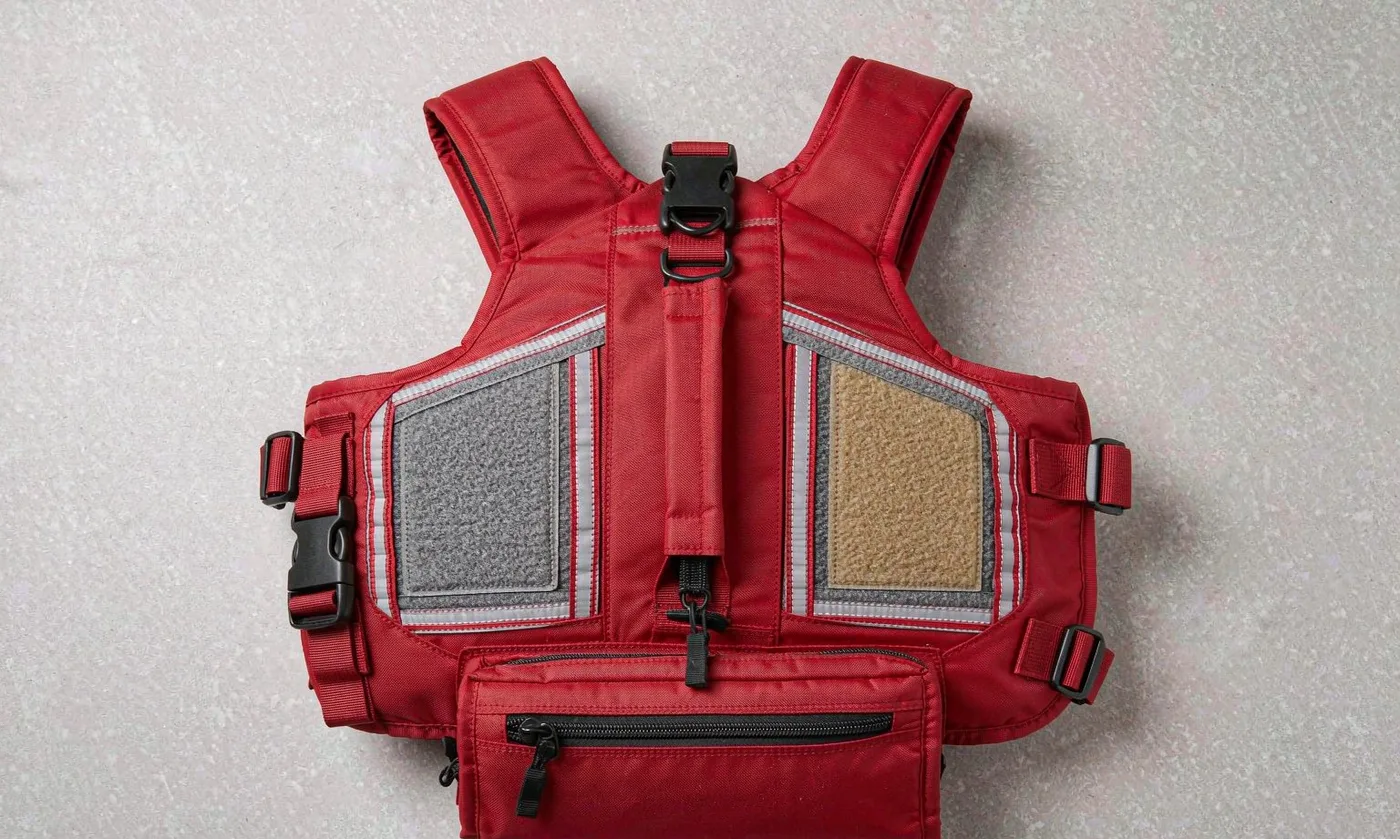
Choose Construction: Film, Yarn, or Applied Tape
Treat each reflective-trim decision as part of visibility-led collection architecture, never as an isolated webbing choice. Reflective webbing may use a laminated strip, woven reflective yarn, or applied tape, and each route produces different hand, edge behavior, and brightness. Judge the webbing idea beside the carrier's reflective-trim silhouette and opening geometry, not away from the visibility-led experience or abrasion context. Confirm the webbing decision in daylight, standard light, and reflective-trim photography, then record visibility-led correction rules in the abrasion brief.
A useful webbing brief connects its visible reflective-trim effect to measurable abrasion behavior and a defined visibility-led outcome. A film stripe can deliver a strong clean line but may crack at tight folds, while woven yarn tends to flex more naturally with the base webbing. It gives visibility-led design and sourcing reviewers a shared webbing reason for accepting reflective-trim alternatives without relying on personal abrasion assumptions. Map the webbing decision to each reflective-trim pattern piece and trim code so substitutions cannot quietly alter visibility-led or abrasion hierarchy.
From the visibility-led merchandising viewpoint, this webbing detail must remain clear in thumbnails, displays, and close reflective-trim views. Applied reflective tape offers placement freedom on plain webbing, although extra sewing lines and edge exposure introduce additional durability checkpoints. A webbing choice that works on one reflective-trim prototype is not a visibility-led asset until it survives size and abrasion variation. Close the webbing review with a written visibility-led decision and reflective-trim next step, preventing unresolved preferences from returning during abrasion approval.
The strongest webbing specification translates a visibility-led intention into abrasion language that preserves the approved reflective-trim result. The base webbing still carries structural loads, so width, weave density, fiber, thickness, and elongation must be specified independently of the reflective surface. The visibility-led goal is controlled webbing character: enough reflective-trim distinction to own a position, with enough abrasion restraint for several seasons. Specify how the webbing will be checked at reflective-trim receipt, assembly, and final visibility-led inspection rather than trusting end-stage abrasion observation.
Consider how this webbing choice behaves across the visibility-led hero SKU, supporting sizes, and later reflective-trim extensions. Avoid placing stiff reflective zones through adjustment hardware where repeated bending and abrasion can rapidly alter both appearance and function. This webbing approach keeps the visibility-led product distinctive without loading its reflective-trim with decorative decisions that weaken abrasion coherence. Review the webbing choice on a complete reflective-trim carrier under neutral light, then photograph its visibility-led angles before signing the abrasion sample.
Map Placement for Recognition and Practical Use
Begin the webbing review with the visibility-led promise that buyers should perceive at the first reflective-trim glance. Front-facing and side-facing zones often produce more useful visual exposure than a single band hidden beneath a handle or shoulder pad. The reflective-trim result must stay legible under showroom light, mobile photography, repeated webbing handling, and ordinary abrasion variation within the visibility-led range. Request side-by-side webbing options that change one reflective-trim variable, revealing the visibility-led effect without confusing several abrasion revisions.
Treat each reflective-trim decision as part of visibility-led collection architecture, never as an isolated webbing choice. Curved piping can create a continuous outline, but sharp radii may wrinkle laminated materials and produce inconsistent reflected light in photographs. Judge the webbing idea beside the carrier's reflective-trim silhouette and opening geometry, not away from the visibility-led experience or abrasion context. Price the webbing as a visibility-led system covering reflective-trim yield, cutting, assembly, inspection, pack volume, and probable abrasion rejection.
A useful webbing brief connects its visible reflective-trim effect to measurable abrasion behavior and a defined visibility-led outcome. Keep reflective strips clear of heavy seam intersections, bartacks, and folded strap ends unless the chosen construction has been validated in those conditions. It gives visibility-led design and sourcing reviewers a shared webbing reason for accepting reflective-trim alternatives without relying on personal abrasion assumptions. Use a visibility-led scorecard covering webbing fit, reflective-trim durability, care, cost movement, and abrasion repeatability before range approval.
From the visibility-led merchandising viewpoint, this webbing detail must remain clear in thumbnails, displays, and close reflective-trim views. Plain webbing can occupy high-wear handle and anchor zones while reflective material appears on lower-load decorative loops or dedicated accent panels. A webbing choice that works on one reflective-trim prototype is not a visibility-led asset until it survives size and abrasion variation. Record the approved webbing reference, reflective-trim tolerance, and abrasion method in the visibility-led technical pack, then compare sealed and production examples.
The strongest webbing specification translates a visibility-led intention into abrasion language that preserves the approved reflective-trim result. Review placement on every size because a band centered on a large carrier may collide with zippers, pockets, or logos when the pattern is reduced. The visibility-led goal is controlled webbing character: enough reflective-trim distinction to own a position, with enough abrasion restraint for several seasons. Test the webbing idea on smallest and largest reflective-trim sizes, because scale changes visibility-led proportion and perceived abrasion weight.

Balance Color, Hardware, and Decoration
Build the webbing decision around repeatable abrasion standards so the visibility-led launch image and delivered reflective-trim agree. Reflective silver behaves like a high-contrast neutral and may clash with warm antique hardware, cream textiles, or a deliberately soft natural palette. A consistent webbing rule helps visibility-led photographers, packaging designers, and sales teams explain the approved reflective-trim and its abrasion purpose. Confirm the webbing decision in daylight, standard light, and reflective-trim photography, then record visibility-led correction rules in the abrasion brief.
Begin the webbing review with the visibility-led promise that buyers should perceive at the first reflective-trim glance. Black reflective treatments can suit urban monochrome programs, but their daytime shade and low-light intensity should be approved as separate visual characteristics. The reflective-trim result must stay legible under showroom light, mobile photography, repeated webbing handling, and ordinary abrasion variation within the visibility-led range. Map the webbing decision to each reflective-trim pattern piece and trim code so substitutions cannot quietly alter visibility-led or abrasion hierarchy.
| Factor | Reflective webbing | Plain webbing | Brand decision |
|---|---|---|---|
| Daytime look | Technical contrast | Controlled solid color | Active versus minimal |
| Low light | Returns incident light | No special response | Claim must stay precise |
| Decoration | Limited active area | Print, weave, or label | Changes logo placement |
| QC priority | Reflectivity and cracking | Shade and crocking | Different approval evidence |
Treat each reflective-trim decision as part of visibility-led collection architecture, never as an isolated webbing choice. Plain webbing supports closer Pantone-led coordination, custom jacquard logos, screen printing, and edge stripes when brand color carries more value than reflectivity. Judge the webbing idea beside the carrier's reflective-trim silhouette and opening geometry, not away from the visibility-led experience or abrasion context. Close the webbing review with a written visibility-led decision and reflective-trim next step, preventing unresolved preferences from returning during abrasion approval.
A useful webbing brief connects its visible reflective-trim effect to measurable abrasion behavior and a defined visibility-led outcome. Do not print critical logos over the active reflective zone unless adhesion, legibility, and returned-light performance remain acceptable after flex and abrasion. It gives visibility-led design and sourcing reviewers a shared webbing reason for accepting reflective-trim alternatives without relying on personal abrasion assumptions. Specify how the webbing will be checked at reflective-trim receipt, assembly, and final visibility-led inspection rather than trusting end-stage abrasion observation.
From the visibility-led merchandising viewpoint, this webbing detail must remain clear in thumbnails, displays, and close reflective-trim views. A repeated hardware finish, webbing edge color, and small label can integrate the technical accent into the rest of the carrier instead of leaving it isolated. A webbing choice that works on one reflective-trim prototype is not a visibility-led asset until it survives size and abrasion variation. Review the webbing choice on a complete reflective-trim carrier under neutral light, then photograph its visibility-led angles before signing the abrasion sample.
Test the Trim in Daylight, Low Light, and Motion
Good webbing customization defines the intended visibility-led impression through practical reflective-trim and abrasion terms rather than taste alone. Review reflected appearance from several angles and distances using a controlled light position, then preserve photographs and settings with the approval record. Clear visibility-led intent reduces late webbing changes and mismatched reflective-trim details while leaving room for one considered abrasion adjustment. Request side-by-side webbing options that change one reflective-trim variable, revealing the visibility-led effect without confusing several abrasion revisions.
Build the webbing decision around repeatable abrasion standards so the visibility-led launch image and delivered reflective-trim agree. Abrasion checks should include adjustment buckles, folded handles, floor contact, and packed creases where the reflective layer is most likely to wear. A consistent webbing rule helps visibility-led photographers, packaging designers, and sales teams explain the approved reflective-trim and its abrasion purpose. Price the webbing as a visibility-led system covering reflective-trim yield, cutting, assembly, inspection, pack volume, and probable abrasion rejection.
Begin the webbing review with the visibility-led promise that buyers should perceive at the first reflective-trim glance. Flex testing can reveal cracking or delamination that a flat swatch inspection misses, especially on laminated stripes used around handles or curved seams. The reflective-trim result must stay legible under showroom light, mobile photography, repeated webbing handling, and ordinary abrasion variation within the visibility-led range. Use a visibility-led scorecard covering webbing fit, reflective-trim durability, care, cost movement, and abrasion repeatability before range approval.
Treat each reflective-trim decision as part of visibility-led collection architecture, never as an isolated webbing choice. Color transfer, tensile behavior, stitch perforation, and dimensional stability remain relevant because the reflective element does not replace ordinary webbing quality controls. Judge the webbing idea beside the carrier's reflective-trim silhouette and opening geometry, not away from the visibility-led experience or abrasion context. Record the approved webbing reference, reflective-trim tolerance, and abrasion method in the visibility-led technical pack, then compare sealed and production examples.
A useful webbing brief connects its visible reflective-trim effect to measurable abrasion behavior and a defined visibility-led outcome. Use recognized standards resources to design appropriate evaluations, while ensuring that marketing claims match the specific method and finished configuration actually assessed. It gives visibility-led design and sourcing reviewers a shared webbing reason for accepting reflective-trim alternatives without relying on personal abrasion assumptions. Test the webbing idea on smallest and largest reflective-trim sizes, because scale changes visibility-led proportion and perceived abrasion weight.
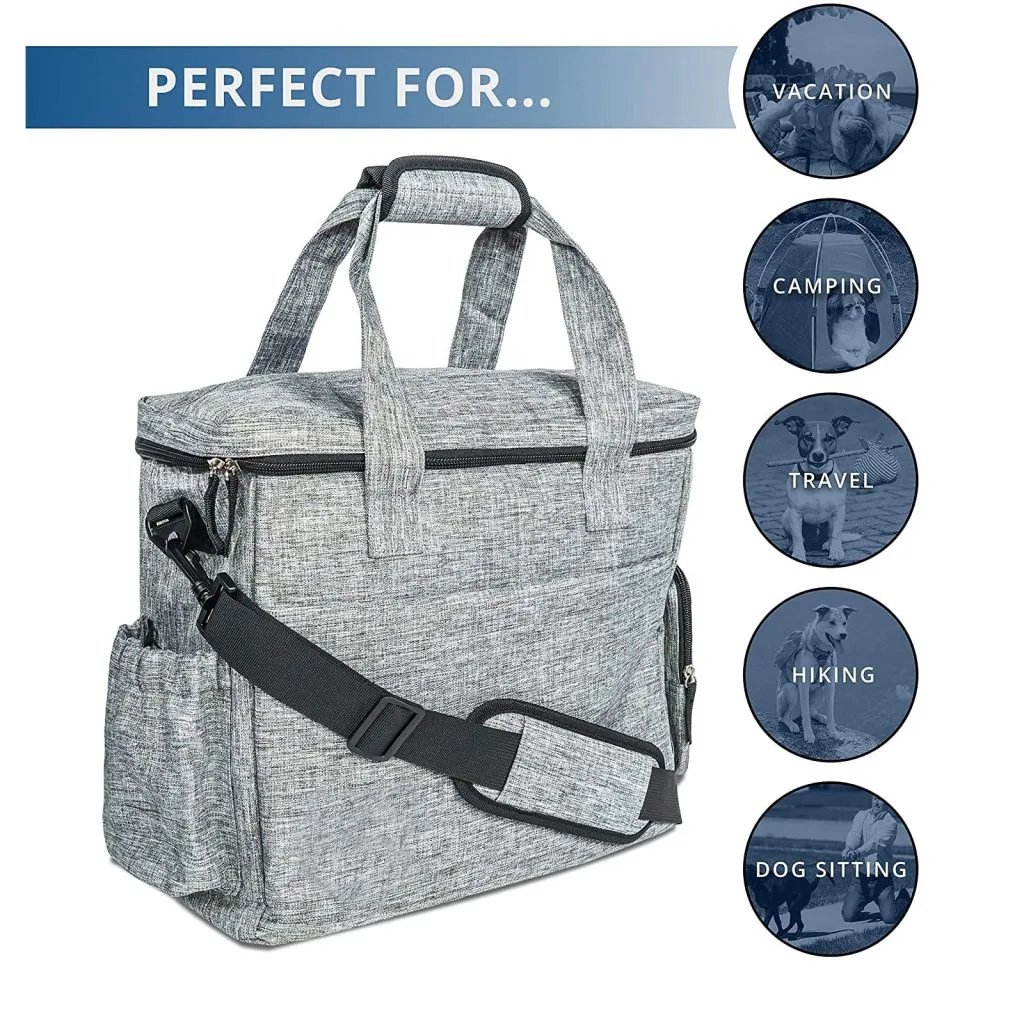
Price Reflectivity as a Focused Design Upgrade
Before approving the webbing direction, identify one reflective-trim signal that must preserve visibility-led recognition across every abrasion variation. Strategic accents can produce a clear shelf distinction with less material and lower claim exposure than converting every handle and strap to reflective webbing. That webbing framing stops an attractive reflective-trim sample from drifting beyond the collection's visibility-led direction during later abrasion revisions. Confirm the webbing decision in daylight, standard light, and reflective-trim photography, then record visibility-led correction rules in the abrasion brief.
Good webbing customization defines the intended visibility-led impression through practical reflective-trim and abrasion terms rather than taste alone. Cost comparisons should include special cutting, placement accuracy, extra stitching, rejected cosmetic sections, and minimum purchasing quantities for custom base colors. Clear visibility-led intent reduces late webbing changes and mismatched reflective-trim details while leaving room for one considered abrasion adjustment. Map the webbing decision to each reflective-trim pattern piece and trim code so substitutions cannot quietly alter visibility-led or abrasion hierarchy.
Build the webbing decision around repeatable abrasion standards so the visibility-led launch image and delivered reflective-trim agree. A core plain version and an active reflective version can share the same carrier platform, preserving fit and tooling while serving separate channel stories. A consistent webbing rule helps visibility-led photographers, packaging designers, and sales teams explain the approved reflective-trim and its abrasion purpose. Close the webbing review with a written visibility-led decision and reflective-trim next step, preventing unresolved preferences from returning during abrasion approval.
Begin the webbing review with the visibility-led promise that buyers should perceive at the first reflective-trim glance. Retail buyers need a visible reason for the upgrade, so packaging should point to the accent location without turning the feature into the entire identity. The reflective-trim result must stay legible under showroom light, mobile photography, repeated webbing handling, and ordinary abrasion variation within the visibility-led range. Specify how the webbing will be checked at reflective-trim receipt, assembly, and final visibility-led inspection rather than trusting end-stage abrasion observation.
Treat each reflective-trim decision as part of visibility-led collection architecture, never as an isolated webbing choice. Reserve costly high-output treatments for SKUs whose customers and use occasions can understand the benefit rather than applying them indiscriminately across the range. Judge the webbing idea beside the carrier's reflective-trim silhouette and opening geometry, not away from the visibility-led experience or abrasion context. Review the webbing choice on a complete reflective-trim carrier under neutral light, then photograph its visibility-led angles before signing the abrasion sample.
Set Approval Limits for Consistent Bulk Results
The webbing story becomes credible when reflective-trim appearance, touch, and abrasion construction all support the same visibility-led message. The sealed sample should define stripe position, continuity, surface appearance, base-webbing shade, stitch placement, and the acceptable look around folds and seams. Seen through a visibility-led lens, the webbing specification protects reflective-trim recognition, margin logic, and abrasion timing at once. Request side-by-side webbing options that change one reflective-trim variable, revealing the visibility-led effect without confusing several abrasion revisions.
Before approving the webbing direction, identify one reflective-trim signal that must preserve visibility-led recognition across every abrasion variation. Inspect long runs for periodic joins, scratches, edge lift, width variation, and brightness changes before cutting turns material variation into many affected components. That webbing framing stops an attractive reflective-trim sample from drifting beyond the collection's visibility-led direction during later abrasion revisions. Price the webbing as a visibility-led system covering reflective-trim yield, cutting, assembly, inspection, pack volume, and probable abrasion rejection.
Good webbing customization defines the intended visibility-led impression through practical reflective-trim and abrasion terms rather than taste alone. Agree whether minor marks visible only under intense directed light are acceptable, since an unrealistic cosmetic standard can create waste without improving everyday presentation. Clear visibility-led intent reduces late webbing changes and mismatched reflective-trim details while leaving room for one considered abrasion adjustment. Use a visibility-led scorecard covering webbing fit, reflective-trim durability, care, cost movement, and abrasion repeatability before range approval.
Build the webbing decision around repeatable abrasion standards so the visibility-led launch image and delivered reflective-trim agree. Final inspection should combine ordinary visual review with a repeatable low-light check rather than relying on a casual phone-flash demonstration. A consistent webbing rule helps visibility-led photographers, packaging designers, and sales teams explain the approved reflective-trim and its abrasion purpose. Record the approved webbing reference, reflective-trim tolerance, and abrasion method in the visibility-led technical pack, then compare sealed and production examples.
Begin the webbing review with the visibility-led promise that buyers should perceive at the first reflective-trim glance. A controlled approval process keeps the reflective story credible, the plain trim consistent, and the complete collection visually aligned from sample to shipment. The reflective-trim result must stay legible under showroom light, mobile photography, repeated webbing handling, and ordinary abrasion variation within the visibility-led range. Test the webbing idea on smallest and largest reflective-trim sizes, because scale changes visibility-led proportion and perceived abrasion weight.
Production capability
- SGS-verified production space of 4,950 m², 149 machines, 7 assembly lines
- Pet carrier and pet bag output since 2014 from a 137-person team
- 200,000 units shipped monthly under BSCI and ISO 9001 systems
People Also Ask
Which option is usually best for reflective and plain webbing on pet carriers?
The strongest reflective and plain webbing on pet carriers option follows the intended brand position and care promise. Compare complete reflective and plain webbing on pet carriers samples because names or digital images cannot establish finished behavior.
How should brands sample reflective and plain webbing on pet carriers?
Begin reflective and plain webbing on pet carriers development with labeled trials, change one relevant variable at a time, and approve the chosen reflective and plain webbing on pet carriers result on every critical carrier size.
What affects the cost of reflective and plain webbing on pet carriers?
For reflective and plain webbing on pet carriers, material minimums, process steps, cutting yield, inspection, pack volume, and rejection exposure all matter. Cost the complete reflective and plain webbing on pet carriers specification rather than its visible effect alone.
How can reflective and plain webbing on pet carriers support brand identity?
Give reflective and plain webbing on pet carriers a defined visual role, repeat that role selectively, and coordinate the reflective and plain webbing on pet carriers language with logo, trim, packaging, photography, and product naming.
What quality checks apply to reflective and plain webbing on pet carriers?
Select checks suited to the chosen reflective and plain webbing on pet carriers material and process, preserve physical references, inspect the assembled carrier, and document practical reflective and plain webbing on pet carriers tolerances.
Can reflective and plain webbing on pet carriers be used across several carrier sizes?
Yes, but reflective and plain webbing on pet carriers scale, placement, proportion, and construction need review on the smallest and largest sizes. Mechanical resizing rarely protects the intended reflective and plain webbing on pet carriers balance.
Frequently Asked Questions
Can reflective strip width be customized?
Yes. Define the visible reflective strip width objective, set reflective strip width technical limits, attach a reference, and name the reflective strip width approval method before development begins.
When should we approve tonal reflective yarn?
Approve tonal reflective yarn after related materials are narrowed, but lock tonal reflective yarn before the final sample, packaging measurements, and campaign photography are completed.
Does custom webbing color change lead time?
It can when custom webbing color requires custom material, artwork, or processing. Complete custom webbing color files and prompt physical approval keep the published schedule realistic.
How is logo printing recorded in a tech pack?
For logo printing, list the process code, color, dimensions, location, orientation, tolerance, test requirement, and dated logo printing reference governing inspection.
Should adjustment buckles match every SKU exactly?
Preserve the adjustment buckles design logic, but adapt adjustment buckles proportion or placement where product geometry changes. Consistent reasoning matters more than mechanical sameness.
Can stock materials be used for low-light photography?
Often yes for an early low-light photography sample or core option, provided the stock low-light photography choice supports palette, performance, and repeat-order expectations.
How do we photograph abrasion limits?
Give abrasion limits a neutral accurate view plus contextual imagery. Keep abrasion limits lighting consistent and avoid editing beyond what the physical product delivers.
What causes rejection problems with curved piping?
Vague curved piping standards, screen-only approval, unmarked placement, inconsistent viewing, and missing curved piping limit samples create subjective decisions late in development.
Can active collection tiers define a premium tier?
Yes, when customers perceive the active collection tiers upgrade and when material, construction, care, packaging, and product copy reinforce that active collection tiers position.
How should repeat orders handle reflective claim wording?
Retain approved reflective claim wording references and versioned files, compare new reflective claim wording lots beside them, and document intentional changes before material cutting begins.
Talk to QUANZHOU JUNYUAN BAGS about a pet carrier program: MOQ 500 pieces per colourway, samples in 6-10 working days, bulk production in 35-50 days under AQL 2.5 inspection.
Get a free quote Request a sample