Full Opening Custom Pet Carriers: Wide Access Design
A full opening carrier opens across 80 to 100 percent of one face, and that figure is the point: at 500 pieces a clamshell conversion adds about USD 3.10 to 5.40 per unit and removes every reach-in limitation. It is the right architecture for veterinary, grooming and airline-facing programs, and the wrong one for a carrier that must hold its shape while being carried one-handed.
Executive summary
Wide access is an architectural decision, not a zipper decision. Once an opening runs the full perimeter of a face, that face stops behaving like a panel and starts behaving like a lid, which means the shell needs a defined hinge, a defined closing sequence and a defined way of holding shape when the lid is open. Miss any of the three and the product feels floppy in the hand in the first ten seconds of a store visit.
The commercial case is strong where the product is used by a professional who needs both hands free and the whole animal visible. It is weak on a fashion silhouette, where a full perimeter zipper interrupts the line of the bag more than a partial opening does. We help brands choose between the two before pattern work starts, because retrofitting wide access onto a pattern designed for a partial door almost never succeeds.
Terms are constant across our custom programs: MOQ 500 pieces per colourway, samples in 6-10 working days, bulk production 35-50 days after approval, and AQL 2.5 inspection on every shipment. Our production team builds clamshell prototypes at an SGS-verified production base audited to BSCI and ISO 9001, and we frame handling and welfare expectations with reference to guidance published by the American Veterinary Medical Association.
A personalized pet carrier programme needs the artwork file and the variable data list locked before sampling, otherwise the first shipment slips a full cycle.
Defining Wide Access: How Open Is Open
"Full opening" is used loosely in this category and it should not be. The useful measure is the proportion of the face perimeter that unzips, and the behaviour of the product changes sharply at three thresholds.
Below 60 percent you have a wide door. The face still behaves structurally, the shell holds its own shape, and no hinge engineering is required. Between 60 and 80 percent the face is semi-detached and starts to slump when opened, which is the worst zone to design in because it has the cost of a lid and the behaviour of a panel. Above 80 percent you have a genuine clamshell, and at that point the design needs a hinge line, a support and a closing discipline.
We specify the opening as a percentage in the tech pack rather than as a description, and we also specify where the hinge sits. On a top-opening clamshell the hinge is normally the rear top edge, so the lid falls away from the handler. On a front-opening clamshell the hinge is normally the bottom edge, so the front drops toward the surface the carrier is standing on and gives a ramp the animal can walk down.
That ramp behaviour is the reason wide access is so strong in grooming and clinic contexts. A front face that folds down flat converts the carrier into a tray, and the animal can leave under its own power rather than being lifted. It is a genuine functional difference, it photographs extremely well, and it is the single most persuasive demonstration a sales floor can run.
It is also worth naming what wide access does to cleaning. A carrier that opens fully can be turned inside out far enough to reach every interior corner, and on a product that will be used weekly for years that is the difference between a liner that gets wiped and a liner that gets replaced. Retailers rarely ask about it and customers notice it immediately.
The three thresholds in one line
Under 60 percent behaves like a door, 60 to 80 percent behaves like neither, over 80 percent behaves like a lid. Design to one end or the other, never into the middle band. We also record the measurement method in the tech pack, because a percentage taken along the zipper and a percentage taken along the panel edge differ by several points on a curved face and that difference is enough to move a design across a threshold without anyone noticing.
Specifying the opening so it can be quoted
A specification that says "wide opening" will be quoted three different ways by three suppliers. A specification that states opening percentage, hinge edge, corner radius and slider count will be quoted identically, and more importantly it will be sampled identically. We ask brand owners for those four numbers on the first call, and the programs that supply them consistently reach bulk faster than the ones that describe the opening in prose.
The same discipline applies to the lid itself. State whether the lid is lined, whether it carries a pocket, and whether it must stay open unassisted. A lined lid that must stay open is a materially different product from a bare lid that flops, and the cost difference between them is larger than most first budgets allow for.
Shell Stability When the Lid Is Open
A clamshell carrier has two states and only one of them is stable by default. Closed, the shell is a box and everything works. Open, the box loses a face, and unless something carries the load the two side walls splay outward and the base visibly bows. This is the failure that makes a wide opening product feel cheap even when the materials are good.
There are three solutions and they are not exclusive. The first is a stiffened baseboard with a turned-up perimeter wall of 12 to 18 millimetres, which keeps the footprint rigid and gives the side walls something to sit against. The second is a perimeter frame of 4 to 6 millimetre rod or a moulded rim in the top edge, which holds the mouth open and is the approach we prefer on travel products. The third is a pair of internal stay straps that limit how far the sides can splay, which is the cheapest option and the one that works best on soft, unstructured silhouettes.
We test the open state explicitly, which most specifications do not. The loaded carrier is opened fully and left for 30 minutes on a bench, then measured at the mouth and at the base. A mouth that closes by more than 10 millimetres in that period will visibly droop on a shelf within a week of display, and the fix is almost always a rim rather than heavier fabric.
There is a second, subtler symptom. If the mouth distorts, the zipper on the lid goes out of plane, the slider binds, and the customer concludes the zipper is poor when the real cause is shell geometry. Every complaint we have investigated about stiff zippers on clamshell products turned out to be a distortion problem rather than a hardware problem.
Why the open state needs its own test
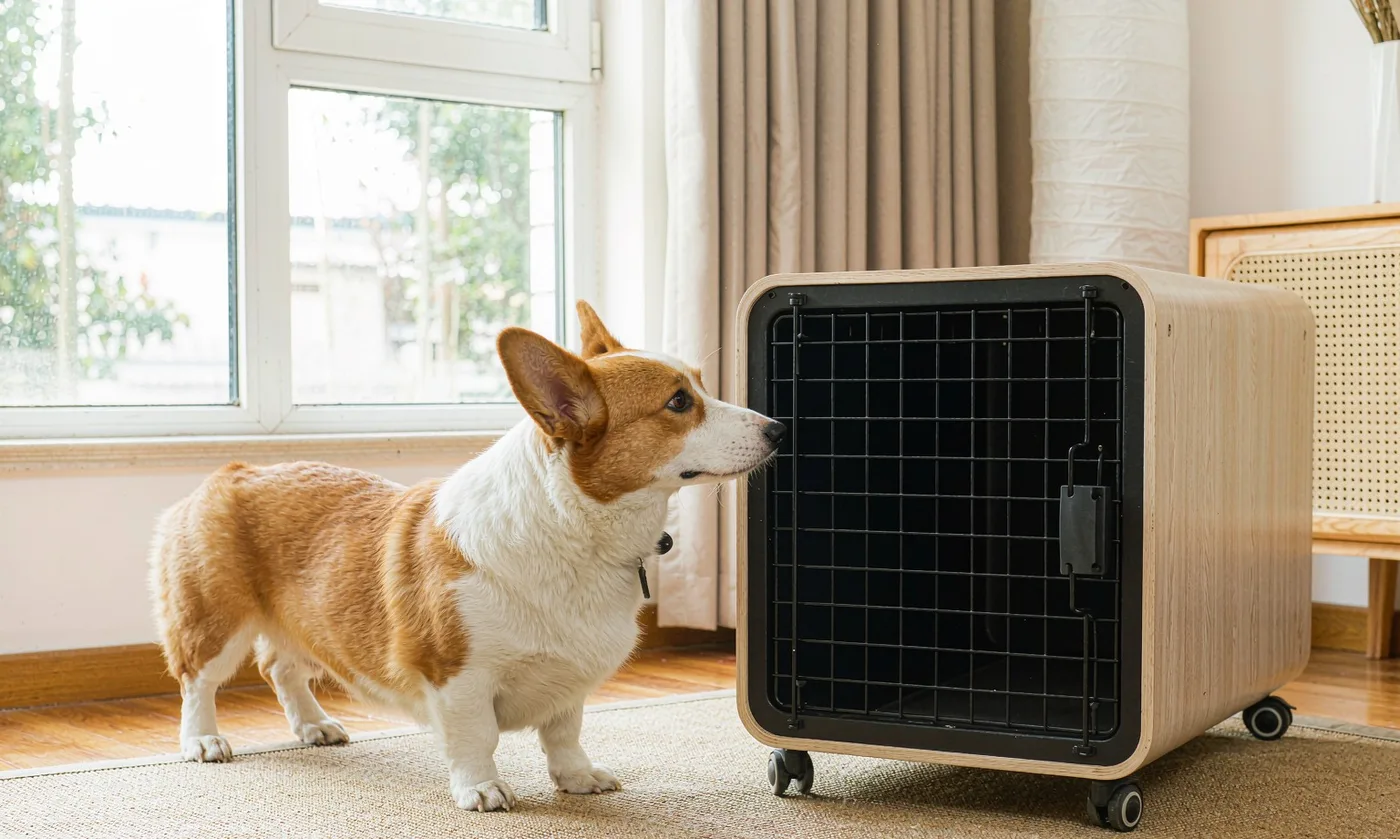
Most specifications test the closed product because that is the state that ships. A clamshell spends a meaningful part of its life open, on a bench, in a clinic or on a car seat, and that is the state in which the customer forms an impression of quality. We therefore write the open state into the specification as a measured condition rather than treating it as a consequence, with a mouth tolerance and a base tolerance recorded against the retained sample.
Hinge Engineering and Zipper Route
A defined hinge is what separates a clamshell from a bag with a very long zipper. The hinge should be a physical feature, not just the unzipped remainder of the run: a bound seam, a taped seam or a folded panel of 20 to 30 millimetres that is stitched to carry repeated flexing. Fabric at a hinge flexes on every single use, and an unbound seam at a hinge is the most common warranty claim on wide opening products.
The zipper route should start and stop on the same side so the slider parks predictably, and the start point should be at the top corner nearest the handle so a standing handler reaches it first. On runs over 1.6 metres we specify two sliders meeting in the middle, which halves the travel and lets the handler open from either side; on runs under 1.6 metres a single slider is cheaper and, more importantly, easier to close one-handed.
Corners are the engineering problem in a clamshell because the zipper has to turn through 90 degrees twice. A tight radius at a corner forces the tape to compress on the inside of the turn and stretch on the outside, and the result is a permanent wave in the tape. We hold a minimum corner radius of 45 millimetres on a perimeter run, and where the silhouette demands a tighter corner we insert a fabric gusset rather than forcing the tape to turn.
Puller design matters more here than on any other configuration, because the puller is the handle for the entire lid. We recommend a 60 to 75 millimetre body with a moulded or debossed mark, a rounded profile with no sharp edge, and a matte finish, because a glossy puller on a matte shell reads as an unconsidered detail.
Closing sequence for a two-slider lid
Specify which slider closes last and mark it. When two sliders meet in the middle, an unmarked closing sequence produces a lid that sits 3 to 5 millimetres off register on one side, and the customer notices the asymmetry without being able to name it.
The Brand Surface Problem Wide Access Creates
A full opening removes the largest flat area on the product from the brand's usable surface. The front face is either a lid that moves or a mouth that opens, and in both cases a mark placed at its centre gets cut by the zipper or distorted when the lid swings. This is the single biggest branding cost of the architecture and it needs an answer before artwork is locked.
Our default answer is to relocate the primary mark to the top panel and treat the lid as a secondary surface. The top of a clamshell is usually a stable, flat, uncut panel, it faces the camera in a hero shot, and it is the surface a shelf display presents. A mark placed there reads as the identity of the product; a mark placed on the lid reads as a detail, because it is on the part that moves.
Where a brand insists on the lid, the workable placements are the corners and the border. A woven tab at the lower corner of the lid survives opening because it sits outside the flex zone, and a narrow printed border that follows the zipper route reads as intentional trim rather than as a logo fighting a zipper. Centres are unworkable.
Decoration method follows the same logic. The top panel takes embroidery, a debossed patch or a silicone badge. The lid, which flexes and folds, takes a heat transfer with high elastomeric content or a thin silicone mark; a rigid patch on a lid will crack at the hinge within months. We also advise against embroidery directly on a lid panel, because the stitch perforations become a tear initiation line at the fold.
Packaging and display consequences
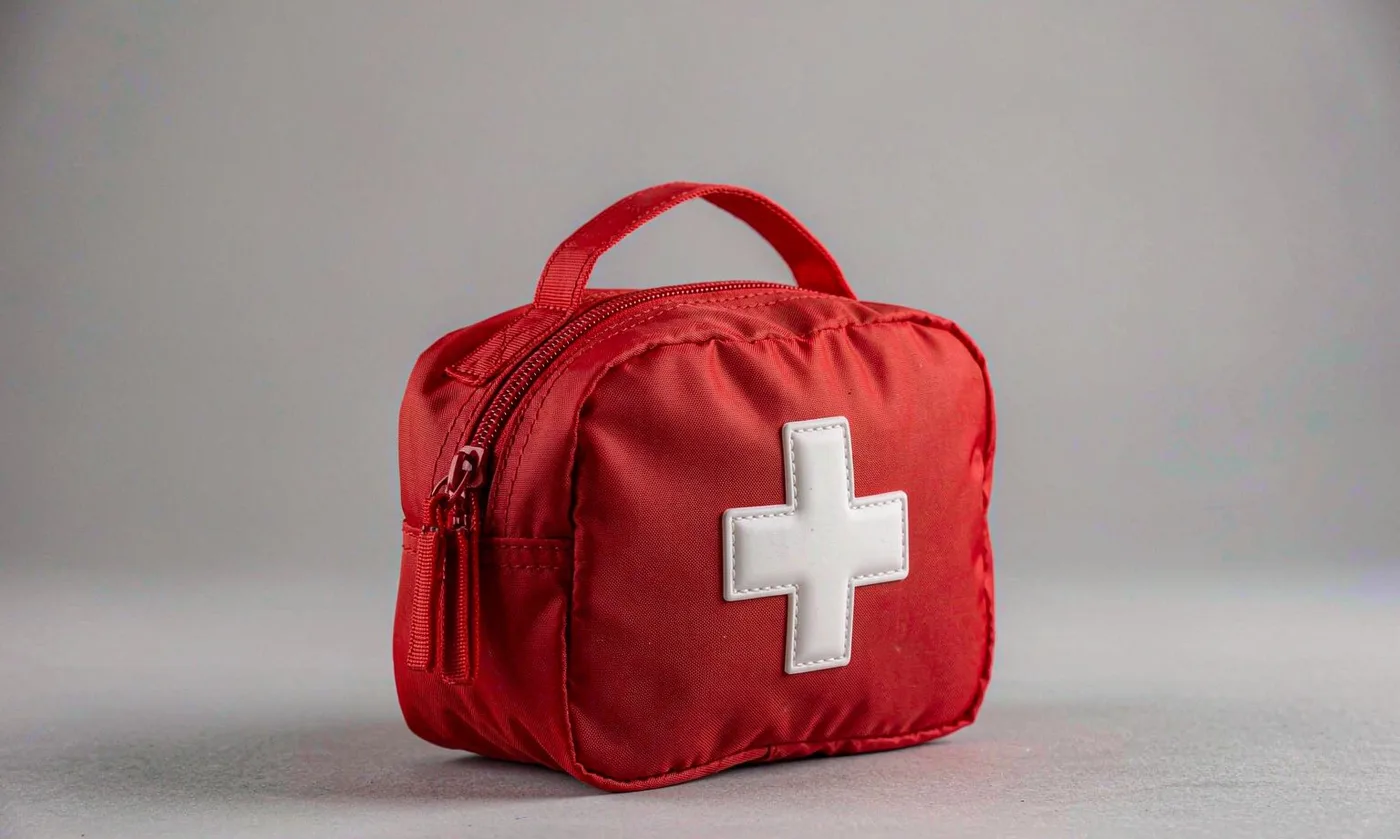
A clamshell ships open more often than a door product, because it looks better that way in a box and on a shelf. That has two consequences the brand should plan for. First, the interior has to be worth showing, which usually means a coordinated lining and a visible interior label rather than exposed seam allowance. Second, the pack has to hold the lid in position during transit, which normally means a paper collar or an internal form rather than a polybag alone.
When Wide Access Is the Wrong Choice
The architecture has real costs and a brand should hear them before committing. The first is one-handed use. A clamshell lid needs a surface to open onto or a second hand to hold, which makes it poor for a carrier that will be opened while being carried. A top door that opens 50 percent can be worked with one hand while the other steadies the bag; a lid that opens 90 percent cannot.
The second is silhouette. A fashion-led product depends on an uninterrupted line, and a perimeter zipper is a visible line across that face no matter how well it is executed. If the design intent is handbag-adjacent, a partial opening with a concealed zipper under a flap will serve the brand better than a wide mouth.
The third is security perception. Customers associate a large opening with a large escape route, and on a product for an anxious or very small animal that perception reduces conversion even when the hardware is genuinely secure. A partial opening with a mesh window reads as safer, and in a category where purchase anxiety is high, perceived safety is a commercial variable.
| Program type | Recommended opening | Support required | Brand surface |
|---|---|---|---|
| Clinic or grooming | 90-100 percent front lid | Moulded rim + tray base | Top panel |
| Airline travel | 70-85 percent top | Perimeter frame | Top panel, small front tab |
| Fashion or tote silhouette | 45-60 percent top | Stiffened baseboard only | Front face centre |
| Everyday small breed | 55-65 percent front | Stay straps | Front face, offset |
Where a program sits between the airline and fashion rows, the honest answer is usually a wide top opening with a discreet front door, which is the configuration we build most often and the one covered in more detail in the dual entry architecture note.
Material pairing for a lid that flexes
The lid is the only panel on the product that folds in normal use, and material choices that work everywhere else can fail there. A laminated fabric with a stiff thermoplastic backing will crease permanently at the fold line, while the same fabric with a knit backing will recover. A coated shell will crack its coating at a tight fold unless the coating is specified for flex, which is a question worth asking the material supplier early rather than discovering at the second sample.
Our default pairing is a 600 denier polyester shell with a soft backing for the body, a lighter 420 denier for the lid, and a bound rather than a turned edge at the hinge. The lighter lid reduces the mass the hinge has to carry on every cycle, and the difference in hand between the two panels is small enough that customers read it as a design choice rather than as a cost saving.
Cost Model and Schedule Impact
Wide access costs money in three places: zipper length, reinforcement and sampling iterations. Zipper length is straightforward, a perimeter run on a medium carrier is 1.6 to 2.2 metres against 0.9 to 1.1 metres for a partial door. Reinforcement is where budgets slip, because a clamshell needs a rim, a stiffer base and a bound hinge, and those three items together typically cost more than the extra zipper does.
Sampling iterations are the hidden cost. A clamshell needs more geometry work than a door, and we plan two to three iterations rather than the one to two a simple door needs. At 6-10 working days per iteration that is the difference between a three week and a five week development cycle, and it should be on the critical path of the launch plan from day one.
The unit cost picture at 500 pieces is roughly a 3.10 to 5.40 dollar increase over a partial opening, with the moulded rim accounting for the larger share when the program specifies one. Below about 1,000 pieces a moulded rim is hard to justify; above that it amortises well and improves the product enough to be worth it.
Bulk timing is unchanged at 35-50 days after approval, provided tooling is released with the order rather than after approval. AQL 2.5 inspection covers zipper travel, mouth geometry against the retained sample, hinge binding and lid-to-base register, and those four checkpoints catch essentially every field complaint we have seen on this architecture.
One budget line is routinely missed. Wide access products ship with an internal form or collar to hold the lid in position, and at 500 pieces that packing component is a genuine per-unit cost that usually surfaces only after the product cost has been agreed.
What to lock before the first sample
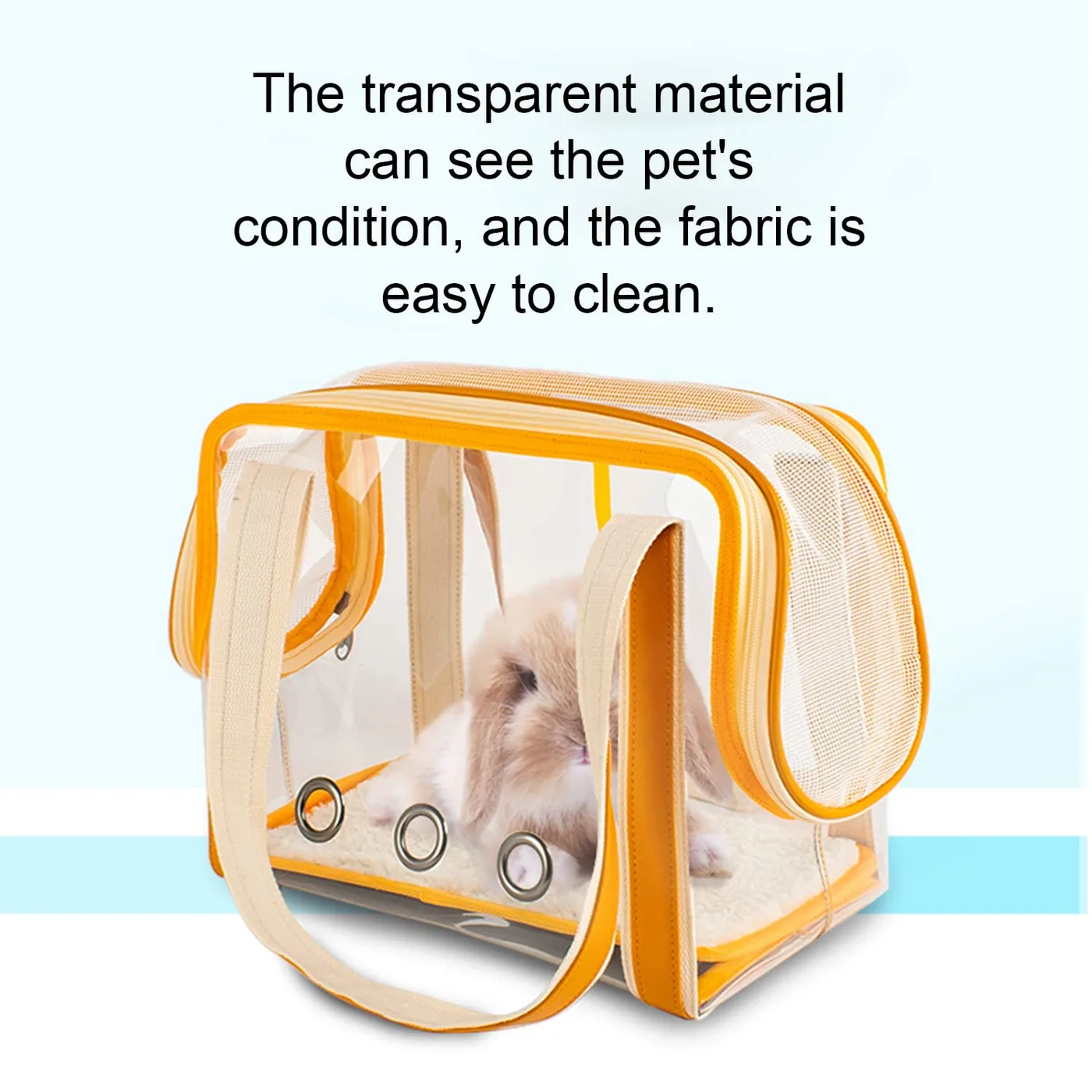
Lock four numbers and the first sample will be close: opening percentage, hinge position, corner radius and baseboard depth. Everything else can iterate cheaply; those four cannot, because each one changes the pattern rather than the trim. A fifth number helps too, and it is the one most often left out: the weight the lid has to carry when open. State it in grams, including any pocket or liner, and the hinge and rim can be specified against a real figure instead of a guess, which is the difference between a lid that holds and a lid that settles a few millimetres every time it is opened.
Validation Protocol for a Clamshell Program
We run four tests on every wide opening prototype, and they are ordered by how often they expose a problem. The first is the open-state sag test already described, 30 minutes loaded and measured at the mouth. The second is a hinge flex test, 500 open-close cycles with the lid under its own weight, followed by inspection of the hinge seam for grinning or stitch breakage.
The third is a zipper plane test. With the mouth open, we measure the deviation of the two zipper tapes from a straight line; more than 6 millimetres of deviation predicts binding in the field. The fourth is a drop-in test, where the loaded carrier is set down on a hard surface from 150 millimetres with the lid open, to confirm the rim carries the shock without deforming.
Documentation matters as much as the tests. We file the opening percentage, hinge specification, rim depth and baseboard specification in the tech pack, and the retained approved sample becomes the reference for bulk inspection. Where a program is sold into travel channels, we also reference the live animal handling framework published by the International Air Transport Association when agreeing acceptance criteria with the buyer.
The pattern that emerges across successful clamshell programs is consistent: they spend their money on the rim and the hinge rather than on the fabric. A mid-weight shell with good geometry outperforms a heavy shell with poor geometry on every measure that a customer can perceive.
The last step is a sign-off discipline. We ask the brand owner to approve the open-state photograph alongside the closed-state photograph, because the two states are different products to a customer, and a program that approves only one of them will meet the other for the first time on the shelf.
Production capability
- SGS-verified production space of 4,950 m², 149 machines, 7 assembly lines
- Pet carrier and pet bag output since 2014 from a 137-person team
- 200,000 units shipped monthly under BSCI and ISO 9001 systems
People Also Ask
What is a full opening pet carrier?
A carrier whose zipper runs around 80 to 100 percent of one face, so that face behaves as a lid rather than as a panel with a door in it.
Is a wide opening carrier better for vet visits?
Yes. Full access lets a clinician examine the animal without lifting it out, which lowers stress and removes the highest-risk handling moment.
Why does my clamshell lid droop?
Because the shell lost a face and nothing is carrying the load. A rim, a frame or internal stay straps are the fix, not heavier fabric.
Can a full opening carrier hold its shape?
It can, with a stiffened baseboard, a perimeter rim and a defined hinge. Without those three it will visibly slump when open.
Does a big opening make escape more likely?
Perception says yes even when hardware is secure. For anxious or very small animals, a partial opening with a mesh window often converts better.
How long does a clamshell sample take?
6-10 working days per iteration, and plan two to three iterations because the geometry needs more work than a standard door.
Frequently Asked Questions
What percentage counts as a full opening?
Above 80 percent of the face perimeter. Below 60 percent is a wide door, and the 60 to 80 percent band behaves like neither and should be avoided.
Does a full opening need a frame?
Above 85 percent, yes in most cases. A moulded rim or a rod perimeter frame is what keeps the mouth from closing by more than 10 millimetres under load.
Can the lid be used as a ramp?
Yes when the hinge is at the bottom edge of a front face. The lid folds flat and the animal can walk out rather than being lifted.
Where should the logo go on a clamshell?
On the top panel. The lid moves and flexes, so a centred mark on it gets cut by the zipper or cracks at the fold.
Is a full opening safe on an aircraft?
The opening itself is not the issue; full closure and shape retention are. Specify a locking slider and verify the shell holds shape under a seat.
How much extra does wide access cost?
About USD 3.10 to 5.40 per unit at 500 pieces, with the rim and stiffer base costing more than the extra zipper length.
How many sample iterations should I plan for?
Two to three. Clamshell geometry needs more work than a simple door, at 6-10 working days per iteration.
Can I use one slider on a long perimeter run?
Under 1.6 metres, yes and it is preferable. Over that, two sliders meeting in the middle halve the travel and allow opening from either side.
What corner radius do you require?
A minimum of 45 millimetres on a perimeter run. Tighter corners force the tape into a permanent wave, so we add a gusset instead.
Will a heavy fabric fix lid droop?
Rarely. Droop is a geometry problem, so the fix is a rim or stay straps. Heavier fabric adds cost and treats only the symptom.
Is wide access right for a fashion silhouette?
Usually not. A perimeter zipper interrupts the line of the bag, so a partial opening under a concealed flap serves a fashion-led product better.
What does AQL 2.5 check on this configuration?
Zipper travel, mouth geometry against the retained sample, hinge binding and lid-to-base register, plus standard colour and stitch checks.
Talk to QUANZHOU JUNYUAN BAGS about a pet carrier program: MOQ 500 pieces per colourway, samples in 6-10 working days, bulk production in 35-50 days under AQL 2.5 inspection.
Get a free quote Request a sample