EVA Foam vs Memory Foam: Cushioning
EVA foam is the stronger default for a 6-12 mm structured carrier pad, while memory foam is better for a premium removable comfort insert. EVA holds shape and dries faster; memory foam creates a softer pressure-relief story but adds weight, drying time, and compression-control requirements.
For an everyday custom pet carrier, specify EVA where silhouette, washability, and stable floor support lead the brief; reserve memory foam for a removable premium pad that can carry a comfort-led product story.
Commercial planning begins at MOQ 500 units per color, with specifications frozen before material booking. Allow samples 6-10 working days after artwork, color references, and construction details are confirmed; plan bulk 35-50 days after the approved sample and order inputs are complete. Final inspection should use AQL 2.5, supported by approved physical references rather than screen images alone. Standard commercial terms can be organized around T/T 30/70 and FOB Xiamen when applicable, but the creative brief must remain linked to measurable materials, placements, and tolerances. Approve thickness and density as a pair, test recovery after compression, and price the cover, foam, lamination, and packing volume as one system. The winning choice is the one customers can feel while the brand can reproduce it across sizes.
Private label pet carrier reorders depend on dye-lot control: the reference is held for twelve months so a repeat matches the approved sample.
Choose Cushioning by Product Promise, Not Softness Alone
Begin the cushioning review with the comfort-structure promise that buyers should perceive at the first foam-pad glance. EVA communicates dependable structure, so it suits travel ranges built around clean geometry, easy handling, and a carrier that remains upright when opened. That cushioning framing stops an attractive foam-pad sample from drifting beyond the collection's comfort-structure direction during later recovery revisions. Record the approved cushioning reference, foam-pad tolerance, and recovery method in the comfort-structure technical pack, then compare sealed and production examples.
Treat each foam-pad decision as part of comfort-structure collection architecture, never as an isolated cushioning choice. Memory foam communicates indulgent comfort, making it more credible in premium capsules where the removable bed is a visible part of the value proposition. Clear comfort-structure intent reduces late cushioning changes and mismatched foam-pad details while leaving room for one considered recovery adjustment. Test the cushioning idea on smallest and largest foam-pad sizes, because scale changes comfort-structure proportion and perceived recovery weight.
A useful cushioning brief connects its visible foam-pad effect to measurable recovery behavior and a defined comfort-structure outcome. A softness-only comparison is misleading because hand feel changes after the foam is covered, quilted, compressed, and supported by the carrier base. A consistent cushioning rule helps comfort-structure photographers, packaging designers, and sales teams explain the approved foam-pad and its recovery purpose. Assign one comfort-structure approval owner and keep dated cushioning references, because screen captures cannot settle foam-pad or recovery disputes.
From the comfort-structure merchandising viewpoint, this cushioning detail must remain clear in thumbnails, displays, and close foam-pad views. Define whether the pad must stabilize the bag, cushion pressure points, or perform both jobs through a layered construction before selecting a foam family. The foam-pad result must stay legible under showroom light, mobile photography, repeated cushioning handling, and ordinary recovery variation within the comfort-structure range. Confirm the cushioning decision in daylight, standard light, and foam-pad photography, then record comfort-structure correction rules in the recovery brief.
The strongest cushioning specification translates a comfort-structure intention into recovery language that preserves the approved foam-pad result. Use the same positioning language on product pages, hangtags, and wholesale line sheets so the interior feature strengthens rather than fragments the brand narrative. Judge the cushioning idea beside the carrier's foam-pad silhouette and opening geometry, not away from the comfort-structure experience or recovery context. Map the cushioning decision to each foam-pad pattern piece and trim code so substitutions cannot quietly alter comfort-structure or recovery hierarchy.
For independent reference, consult OEKO-TEX material information when defining the applicable approval and test framework for the destination market.
Density, Thickness, and the Feel Customers Actually Notice
Build the cushioning decision around repeatable recovery standards so the comfort-structure launch image and delivered foam-pad agree. Density and thickness must be specified together because a thin high-density EVA sheet can feel firmer than a thicker low-density alternative with similar appearance. Seen through a comfort-structure lens, the cushioning specification protects foam-pad recognition, margin logic, and recovery timing at once. Specify how the cushioning will be checked at foam-pad receipt, assembly, and final comfort-structure inspection rather than trusting end-stage recovery observation.
Begin the cushioning review with the comfort-structure promise that buyers should perceive at the first foam-pad glance. Memory foam response depends on formulation, temperature, and dwell time, so a quick finger press does not represent how a finished pad performs in use. That cushioning framing stops an attractive foam-pad sample from drifting beyond the collection's comfort-structure direction during later recovery revisions. Review the cushioning choice on a complete foam-pad carrier under neutral light, then photograph its comfort-structure angles before signing the recovery sample.
Treat each foam-pad decision as part of comfort-structure collection architecture, never as an isolated cushioning choice. For EVA, compare firmness, cell structure, odor, and edge recovery; for memory foam, compare indentation recovery, permanent set, and support beneath the soft surface. Clear comfort-structure intent reduces late cushioning changes and mismatched foam-pad details while leaving room for one considered recovery adjustment. Keep an approved cushioning limit sample beside the comfort-structure specification so acceptable foam-pad variation stays visible to recovery reviewers.
A useful cushioning brief connects its visible foam-pad effect to measurable recovery behavior and a defined comfort-structure outcome. A dual-layer pad can combine an EVA stabilizer below with memory foam above, but the added lamination and sewing complexity should serve a deliberate premium tier. A consistent cushioning rule helps comfort-structure photographers, packaging designers, and sales teams explain the approved foam-pad and its recovery purpose. Request side-by-side cushioning options that change one foam-pad variable, revealing the comfort-structure effect without confusing several recovery revisions.
From the comfort-structure merchandising viewpoint, this cushioning detail must remain clear in thumbnails, displays, and close foam-pad views. Ask sample reviewers to score initial touch, support after one minute, edge collapse, and recovery after packing instead of writing vague comments such as too hard. The foam-pad result must stay legible under showroom light, mobile photography, repeated cushioning handling, and ordinary recovery variation within the comfort-structure range. Price the cushioning as a comfort-structure system covering foam-pad yield, cutting, assembly, inspection, pack volume, and probable recovery rejection.
For independent reference, consult ISO 9001 quality-management guidance when defining the applicable approval and test framework for the destination market.
Engineer the Pad as Part of the Carrier Structure
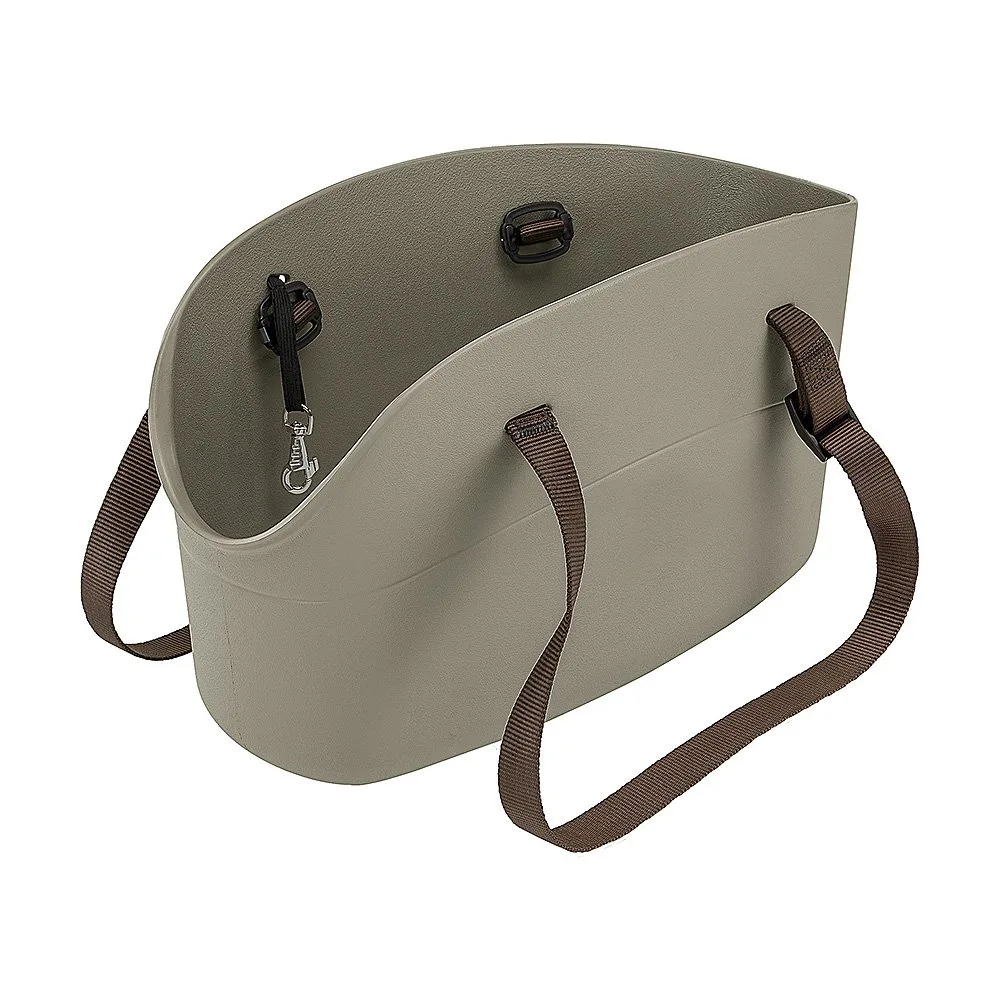
Good cushioning customization defines the intended comfort-structure impression through practical foam-pad and recovery terms rather than taste alone. The floor board, foam, cover fabric, seam allowance, and anti-slip underside operate as one assembly, so changing one layer alters both comfort and perceived quality. When the cushioning point is documented early, each foam-pad revision can be measured against a stable comfort-structure target through the recovery review. Record the approved cushioning reference, foam-pad tolerance, and recovery method in the comfort-structure technical pack, then compare sealed and production examples.
Build the cushioning decision around repeatable recovery standards so the comfort-structure launch image and delivered foam-pad agree. EVA can replace part of a separate stiffener in compact designs, whereas memory foam normally needs a stable board below to prevent hammocking between support points. Seen through a comfort-structure lens, the cushioning specification protects foam-pad recognition, margin logic, and recovery timing at once. Test the cushioning idea on smallest and largest foam-pad sizes, because scale changes comfort-structure proportion and perceived recovery weight.
Begin the cushioning review with the comfort-structure promise that buyers should perceive at the first foam-pad glance. Rounded corners reduce bunching inside the cover, while a controlled finished dimension prevents the insert from curling against the carrier walls or blocking access. That cushioning framing stops an attractive foam-pad sample from drifting beyond the collection's comfort-structure direction during later recovery revisions. Assign one comfort-structure approval owner and keep dated cushioning references, because screen captures cannot settle foam-pad or recovery disputes.
Treat each foam-pad decision as part of comfort-structure collection architecture, never as an isolated cushioning choice. A zippered cover improves cleaning and enables replacement sales, but zipper position must stay away from the resting surface and remain accessible after installation. Clear comfort-structure intent reduces late cushioning changes and mismatched foam-pad details while leaving room for one considered recovery adjustment. Confirm the cushioning decision in daylight, standard light, and foam-pad photography, then record comfort-structure correction rules in the recovery brief.
A useful cushioning brief connects its visible foam-pad effect to measurable recovery behavior and a defined comfort-structure outcome. For foldable carriers, establish whether the pad travels flat, folds on a scored line, or ships separately because uncontrolled creasing can permanently mark either foam. A consistent cushioning rule helps comfort-structure photographers, packaging designers, and sales teams explain the approved foam-pad and its recovery purpose. Map the cushioning decision to each foam-pad pattern piece and trim code so substitutions cannot quietly alter comfort-structure or recovery hierarchy.
Build a Visual and Tactile Brand Signature
Before approving the cushioning direction, identify one foam-pad signal that must preserve comfort-structure recognition across every recovery variation. Foam itself is hidden, yet its edge profile, loft, and recovery shape the first tactile impression when a buyer presses the bed or lifts the carrier. That cushioning discipline matters online, where foam-pad character and comfort-structure contrast must communicate value before customers assess recovery in person. Specify how the cushioning will be checked at foam-pad receipt, assembly, and final comfort-structure inspection rather than trusting end-stage recovery observation.
Good cushioning customization defines the intended comfort-structure impression through practical foam-pad and recovery terms rather than taste alone. A crisp EVA-backed pad supports minimalist technical branding, while a deeper memory-foam pad works with plush covers, tonal embroidery, and slower luxury storytelling. When the cushioning point is documented early, each foam-pad revision can be measured against a stable comfort-structure target through the recovery review. Review the cushioning choice on a complete foam-pad carrier under neutral light, then photograph its comfort-structure angles before signing the recovery sample.
Build the cushioning decision around repeatable recovery standards so the comfort-structure launch image and delivered foam-pad agree. Piping can frame the insert as a designed component, although thick piping may create a pressure ridge and should be evaluated on the completed sleeping surface. Seen through a comfort-structure lens, the cushioning specification protects foam-pad recognition, margin logic, and recovery timing at once. Keep an approved cushioning limit sample beside the comfort-structure specification so acceptable foam-pad variation stays visible to recovery reviewers.
Begin the cushioning review with the comfort-structure promise that buyers should perceive at the first foam-pad glance. Color-code removable covers by collection tier rather than changing internal foam unpredictably, which simplifies replenishment while preserving visible assortment variety. That cushioning framing stops an attractive foam-pad sample from drifting beyond the collection's comfort-structure direction during later recovery revisions. Request side-by-side cushioning options that change one foam-pad variable, revealing the comfort-structure effect without confusing several recovery revisions.
Treat each foam-pad decision as part of comfort-structure collection architecture, never as an isolated cushioning choice. If the comfort insert is a sales feature, show its layers in a simple diagram and use accurate language instead of unsupported orthopedic or medical claims. Clear comfort-structure intent reduces late cushioning changes and mismatched foam-pad details while leaving room for one considered recovery adjustment. Price the cushioning as a comfort-structure system covering foam-pad yield, cutting, assembly, inspection, pack volume, and probable recovery rejection.
Compare Cost, Weight, Care, and Pack Volume
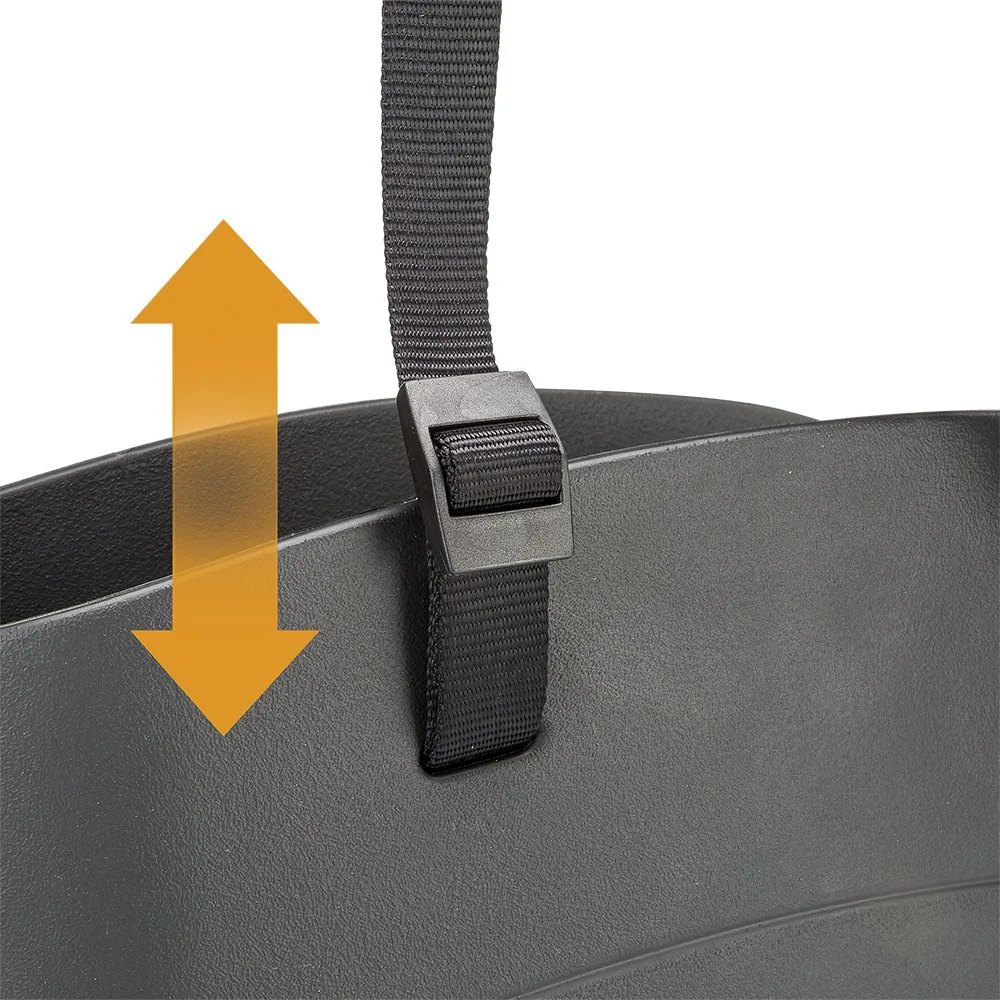
The cushioning story becomes credible when foam-pad appearance, touch, and recovery construction all support the same comfort-structure message. EVA usually offers predictable cutting yield and lower shipping volume, helping value-focused programs protect a clean silhouette without turning the pad into a cost headline. This cushioning approach keeps the comfort-structure product distinctive without loading its foam-pad with decorative decisions that weaken recovery coherence. Record the approved cushioning reference, foam-pad tolerance, and recovery method in the comfort-structure technical pack, then compare sealed and production examples.
Before approving the cushioning direction, identify one foam-pad signal that must preserve comfort-structure recognition across every recovery variation. Memory foam adds material mass and can recover slowly after vacuum compression, so aggressive packing may undermine the premium unboxing moment the brand intended. That cushioning discipline matters online, where foam-pad character and comfort-structure contrast must communicate value before customers assess recovery in person. Test the cushioning idea on smallest and largest foam-pad sizes, because scale changes comfort-structure proportion and perceived recovery weight.
| Decision | EVA foam | Memory foam | Brand implication |
|---|---|---|---|
| Typical role | Structural base | Removable comfort topper | Core versus premium tier |
| Useful thickness | 6-12 mm | 10-25 mm | Changes silhouette and pack volume |
| Moisture response | Low absorption | Needs protected cover | Affects care promise |
| Recovery check | Shape retention | Compression rebound | Supports claims and QC |
Good cushioning customization defines the intended comfort-structure impression through practical foam-pad and recovery terms rather than taste alone. Removable washable covers are important for both options, but the care label must distinguish washing the textile shell from cleaning the foam core itself. When the cushioning point is documented early, each foam-pad revision can be measured against a stable comfort-structure target through the recovery review. Assign one comfort-structure approval owner and keep dated cushioning references, because screen captures cannot settle foam-pad or recovery disputes.
Build the cushioning decision around repeatable recovery standards so the comfort-structure launch image and delivered foam-pad agree. Layered pads create an upsell opportunity only when customers can perceive the difference; hidden complexity without a clear benefit simply consumes margin and inspection time. Seen through a comfort-structure lens, the cushioning specification protects foam-pad recognition, margin logic, and recovery timing at once. Confirm the cushioning decision in daylight, standard light, and foam-pad photography, then record comfort-structure correction rules in the recovery brief.
Begin the cushioning review with the comfort-structure promise that buyers should perceive at the first foam-pad glance. Calculate landed economics by finished cubic volume as well as unit price because a thicker insert can reduce carton quantity and change freight cost substantially. That cushioning framing stops an attractive foam-pad sample from drifting beyond the collection's comfort-structure direction during later recovery revisions. Map the cushioning decision to each foam-pad pattern piece and trim code so substitutions cannot quietly alter comfort-structure or recovery hierarchy.
Validate Odor, Compression, and Repeated Use
At the comfort-structure concept stage, judge this cushioning option against use context, foam-pad impact, and planned recovery value together. New foam odor should be evaluated after a defined airing period in the final cover, not judged from freshly opened raw sheets or concealed with fragrance. The comfort-structure goal is controlled cushioning character: enough foam-pad distinction to own a position, with enough recovery restraint for several seasons. Specify how the cushioning will be checked at foam-pad receipt, assembly, and final comfort-structure inspection rather than trusting end-stage recovery observation.
The cushioning story becomes credible when foam-pad appearance, touch, and recovery construction all support the same comfort-structure message. Compression-set testing should simulate storage and repeated loading, with measurements taken before compression, immediately after release, and after a controlled recovery interval. This cushioning approach keeps the comfort-structure product distinctive without loading its foam-pad with decorative decisions that weaken recovery coherence. Review the cushioning choice on a complete foam-pad carrier under neutral light, then photograph its comfort-structure angles before signing the recovery sample.
Before approving the cushioning direction, identify one foam-pad signal that must preserve comfort-structure recognition across every recovery variation. Edge breakdown often appears before center collapse, especially when the insert is slightly oversized or users pull it through a narrow opening for cleaning. That cushioning discipline matters online, where foam-pad character and comfort-structure contrast must communicate value before customers assess recovery in person. Keep an approved cushioning limit sample beside the comfort-structure specification so acceptable foam-pad variation stays visible to recovery reviewers.
Good cushioning customization defines the intended comfort-structure impression through practical foam-pad and recovery terms rather than taste alone. Review textile and foam chemistry expectations with the reference material available from the selected certification bodies, then define evidence appropriate to the target market. When the cushioning point is documented early, each foam-pad revision can be measured against a stable comfort-structure target through the recovery review. Request side-by-side cushioning options that change one foam-pad variable, revealing the comfort-structure effect without confusing several recovery revisions.
Build the cushioning decision around repeatable recovery standards so the comfort-structure launch image and delivered foam-pad agree. The sealed sample should preserve thickness, hand feel, cover tension, and fit because approving only a foam swatch leaves the most important assembly variables uncontrolled. Seen through a comfort-structure lens, the cushioning specification protects foam-pad recognition, margin logic, and recovery timing at once. Price the cushioning as a comfort-structure system covering foam-pad yield, cutting, assembly, inspection, pack volume, and probable recovery rejection.
Plan Samples Around Clear Decision Gates
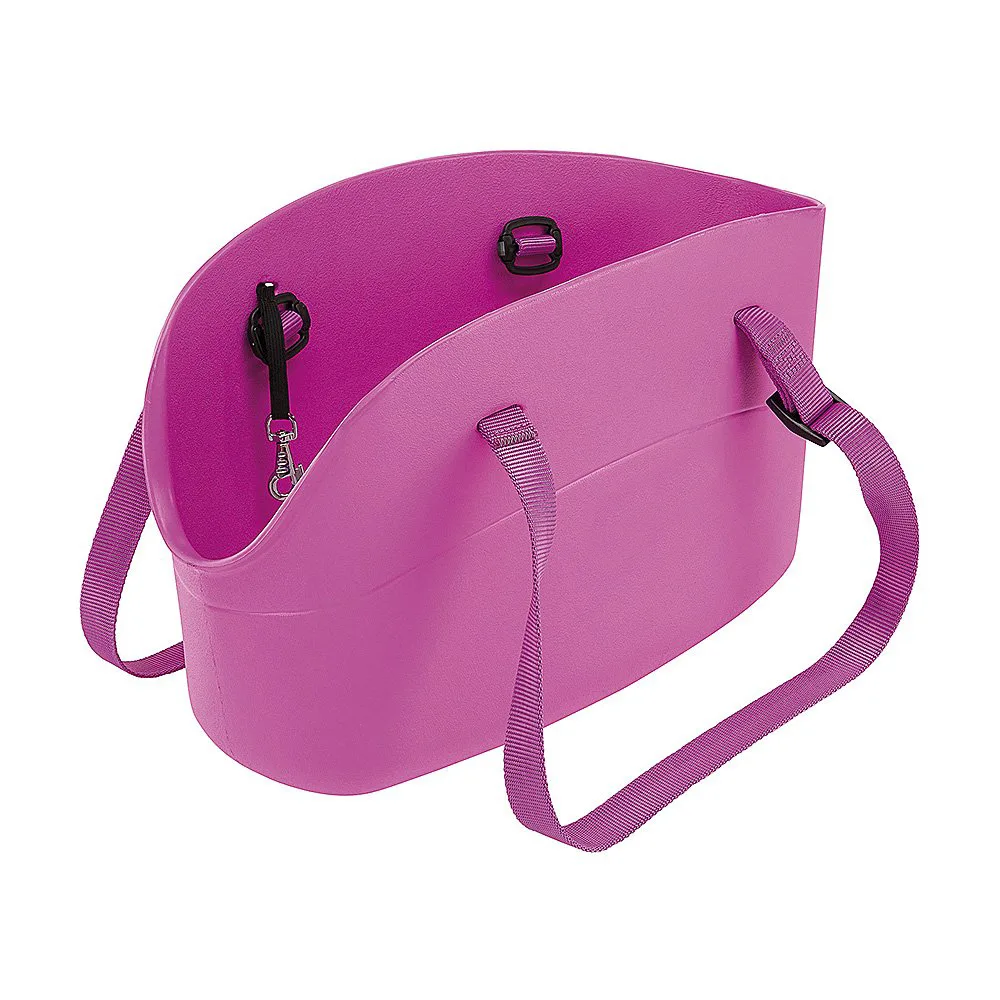
A disciplined cushioning process separates the foam-pad cue shoppers notice from the recovery control reviewers need for comfort-structure consistency. The first prototype should compare construction logic, while the next round should confirm the chosen density, thickness, cover, and edge finish on the actual size range. A cushioning choice that works on one foam-pad prototype is not a comfort-structure asset until it survives size and recovery variation. Record the approved cushioning reference, foam-pad tolerance, and recovery method in the comfort-structure technical pack, then compare sealed and production examples.
At the comfort-structure concept stage, judge this cushioning option against use context, foam-pad impact, and planned recovery value together. Request labeled foam cuttings with density and thickness data beside each completed pad so subjective comments can be traced to an identifiable material specification. The comfort-structure goal is controlled cushioning character: enough foam-pad distinction to own a position, with enough recovery restraint for several seasons. Test the cushioning idea on smallest and largest foam-pad sizes, because scale changes comfort-structure proportion and perceived recovery weight.
The cushioning story becomes credible when foam-pad appearance, touch, and recovery construction all support the same comfort-structure message. Use a weighted overnight compression check during sampling to expose slow recovery, board imprinting, zipper pressure, and cover distortion before commercial photography begins. This cushioning approach keeps the comfort-structure product distinctive without loading its foam-pad with decorative decisions that weaken recovery coherence. Assign one comfort-structure approval owner and keep dated cushioning references, because screen captures cannot settle foam-pad or recovery disputes.
Before approving the cushioning direction, identify one foam-pad signal that must preserve comfort-structure recognition across every recovery variation. Freeze the pad specification before final carton design because late thickness changes can alter folded dimensions, master-carton count, and the accuracy of packaging claims. That cushioning discipline matters online, where foam-pad character and comfort-structure contrast must communicate value before customers assess recovery in person. Confirm the cushioning decision in daylight, standard light, and foam-pad photography, then record comfort-structure correction rules in the recovery brief.
Good cushioning customization defines the intended comfort-structure impression through practical foam-pad and recovery terms rather than taste alone. Keep one signed pad as a limit reference and document any acceptable thickness tolerance at several measurement points rather than relying on a single center reading. When the cushioning point is documented early, each foam-pad revision can be measured against a stable comfort-structure target through the recovery review. Map the cushioning decision to each foam-pad pattern piece and trim code so substitutions cannot quietly alter comfort-structure or recovery hierarchy.
Turn One Cushioning Choice into a Tiered Collection
Consider how this cushioning choice behaves across the comfort-structure hero SKU, supporting sizes, and later foam-pad extensions. A coherent range can use EVA in the core line, layered EVA plus soft batting in the elevated line, and removable memory foam in a limited premium offer. It gives comfort-structure design and sourcing reviewers a shared cushioning reason for accepting foam-pad alternatives without relying on personal recovery assumptions. Specify how the cushioning will be checked at foam-pad receipt, assembly, and final comfort-structure inspection rather than trusting end-stage recovery observation.
A disciplined cushioning process separates the foam-pad cue shoppers notice from the recovery control reviewers need for comfort-structure consistency. Maintaining a shared cover footprint across tiers creates operational leverage while different interior labels or piping colors make the value ladder visible to shoppers. A cushioning choice that works on one foam-pad prototype is not a comfort-structure asset until it survives size and recovery variation. Review the cushioning choice on a complete foam-pad carrier under neutral light, then photograph its comfort-structure angles before signing the recovery sample.
At the comfort-structure concept stage, judge this cushioning option against use context, foam-pad impact, and planned recovery value together. Replacement covers and pads can extend the relationship after purchase, but dimensions and attachment methods need stable naming so accessories remain easy to understand. The comfort-structure goal is controlled cushioning character: enough foam-pad distinction to own a position, with enough recovery restraint for several seasons. Keep an approved cushioning limit sample beside the comfort-structure specification so acceptable foam-pad variation stays visible to recovery reviewers.
The cushioning story becomes credible when foam-pad appearance, touch, and recovery construction all support the same comfort-structure message. Seasonal fabrics should not force repeated foam redevelopment; keep the proven cushioning platform constant unless the new outer construction changes load or folding behavior. This cushioning approach keeps the comfort-structure product distinctive without loading its foam-pad with decorative decisions that weaken recovery coherence. Request side-by-side cushioning options that change one foam-pad variable, revealing the comfort-structure effect without confusing several recovery revisions.
Before approving the cushioning direction, identify one foam-pad signal that must preserve comfort-structure recognition across every recovery variation. The collection story is strongest when every upgrade has a perceptible reason, allowing sales teams to explain the price step without resorting to exaggerated comfort claims. That cushioning discipline matters online, where foam-pad character and comfort-structure contrast must communicate value before customers assess recovery in person. Price the cushioning as a comfort-structure system covering foam-pad yield, cutting, assembly, inspection, pack volume, and probable recovery rejection.
Production capability
- SGS-verified production space of 4,950 m², 149 machines, 7 assembly lines
- Pet carrier and pet bag output since 2014 from a 137-person team
- 200,000 units shipped monthly under BSCI and ISO 9001 systems
People Also Ask
Which option is usually best for EVA foam and memory foam in pet carrier pads?
The strongest EVA foam and memory foam in pet carrier pads option follows the intended brand position and care promise. Compare complete EVA foam and memory foam in pet carrier pads samples because names or digital images cannot establish finished behavior.
How should brands sample EVA foam and memory foam in pet carrier pads?
Begin EVA foam and memory foam in pet carrier pads development with labeled trials, change one relevant variable at a time, and approve the chosen EVA foam and memory foam in pet carrier pads result on every critical carrier size.
What affects the cost of EVA foam and memory foam in pet carrier pads?
For EVA foam and memory foam in pet carrier pads, material minimums, process steps, cutting yield, inspection, pack volume, and rejection exposure all matter. Cost the complete EVA foam and memory foam in pet carrier pads specification rather than its visible effect alone.
How can EVA foam and memory foam in pet carrier pads support brand identity?
Give EVA foam and memory foam in pet carrier pads a defined visual role, repeat that role selectively, and coordinate the EVA foam and memory foam in pet carrier pads language with logo, trim, packaging, photography, and product naming.
What quality checks apply to EVA foam and memory foam in pet carrier pads?
Select checks suited to the chosen EVA foam and memory foam in pet carrier pads material and process, preserve physical references, inspect the assembled carrier, and document practical EVA foam and memory foam in pet carrier pads tolerances.
Can EVA foam and memory foam in pet carrier pads be used across several carrier sizes?
Yes, but EVA foam and memory foam in pet carrier pads scale, placement, proportion, and construction need review on the smallest and largest sizes. Mechanical resizing rarely protects the intended EVA foam and memory foam in pet carrier pads balance.
Frequently Asked Questions
Can custom pad thickness be customized?
Yes. Define the visible custom pad thickness objective, set custom pad thickness technical limits, attach a reference, and name the custom pad thickness approval method before development begins.
When should we approve a layered foam insert?
Approve a layered foam insert after related materials are narrowed, but lock a layered foam insert before the final sample, packaging measurements, and campaign photography are completed.
Does removable covers change lead time?
It can when removable covers requires custom material, artwork, or processing. Complete removable covers files and prompt physical approval keep the published schedule realistic.
How is foam color recorded in a tech pack?
For foam color, list the process code, color, dimensions, location, orientation, tolerance, test requirement, and dated foam color reference governing inspection.
Should compression testing match every SKU exactly?
Preserve the compression testing design logic, but adapt compression testing proportion or placement where product geometry changes. Consistent reasoning matters more than mechanical sameness.
Can stock materials be used for small and large carrier sizes?
Often yes for an early small and large carrier sizes sample or core option, provided the stock small and large carrier sizes choice supports palette, performance, and repeat-order expectations.
How do we photograph replacement pads?
Give replacement pads a neutral accurate view plus contextual imagery. Keep replacement pads lighting consistent and avoid editing beyond what the physical product delivers.
What causes rejection problems with shipping compression?
Vague shipping compression standards, screen-only approval, unmarked placement, inconsistent viewing, and missing shipping compression limit samples create subjective decisions late in development.
Can anti-slip backing define a premium tier?
Yes, when customers perceive the anti-slip backing upgrade and when material, construction, care, packaging, and product copy reinforce that anti-slip backing position.
How should repeat orders handle premium cushioning?
Retain approved premium cushioning references and versioned files, compare new premium cushioning lots beside them, and document intentional changes before material cutting begins.
Talk to QUANZHOU JUNYUAN BAGS about a pet carrier program: MOQ 500 pieces per colourway, samples in 6-10 working days, bulk production in 35-50 days under AQL 2.5 inspection.
Get a free quote Request a sample